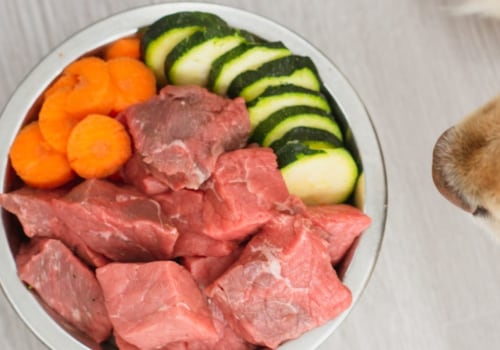
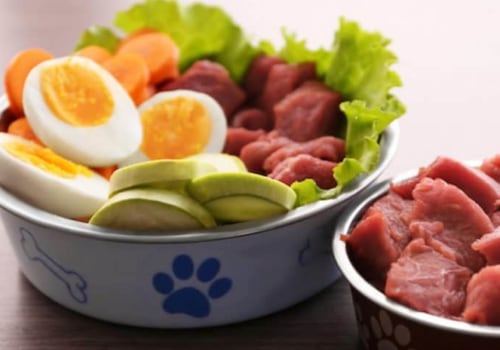
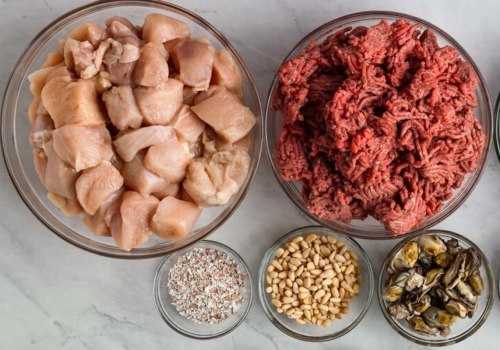
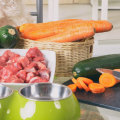
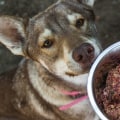
The concept of raw dog food has gained significant traction among pet owners in recent years, as more people seek to provide their furry companions with diets that closely resemble what their ancestors would have eaten in the wild. This approach emphasizes the consumption of uncooked meats, bones, and organs, often supplemented with fruits and vegetables. Advocates of raw feeding argue that this natural diet can lead to improved health outcomes for dogs, including better digestion, healthier skin and coat, and increased energy levels.One of the primary benefits of a raw diet for dogs is its potential to enhance overall nutrition. Unlike commercial kibble, which may contain fillers and artificial additives, raw dog food is typically rich in high-quality proteins and essential nutrients.
This nutrient-dense approach can help maintain a healthy weight, support muscle development, and promote optimal organ function. Additionally, many pet owners report that their dogs experience fewer allergies and digestive issues when switched to a raw diet.However, transitioning to a raw food regimen requires careful consideration and planning. It's crucial for pet owners to ensure that their dog's diet is well-balanced and meets all nutritional needs. This includes incorporating a variety of protein sources, such as beef, chicken, or fish, along with appropriate amounts of organ meats and bones.
As the popularity of raw feeding continues to rise, many resources are available to help pet owners navigate this dietary shift effectively.As we delve deeper into the topic of raw dog food, one question that often arises is whether it is safe to feed dogs cold raw food straight from the refrigerator. Understanding the implications of serving cold meals will be essential for pet owners considering this feeding method.
The Basics of Feeding Raw Dog Food
Feeding your dog a raw dog food diet requires careful consideration of various components to ensure that it is nutritionally balanced. A well-rounded raw diet typically includes a mix of muscle meat, organ meats, bones, and even some vegetables. Each of these elements plays a crucial role in providing the essential nutrients your dog needs to thrive.Muscle Meat:
The primary source of protein in a raw dog food diet is muscle meat.
Common options include beef, chicken, turkey, and lamb. When selecting muscle meat, it’s important to choose high-quality cuts that are fresh and free from additives. Aim for a variety of proteins to provide a broader range of amino acids, which are vital for your dog's overall health.
Organ Meats:
Organ meats are nutrient-dense and should make up about 10-15% of your dog's total diet. Options like liver, kidney, and heart are excellent choices.
These organs are rich in vitamins and minerals that support various bodily functions, including immune health and energy metabolism. However, be cautious not to overfeed organ meats, particularly liver, as they can lead to vitamin A toxicity if given in excess.
Bones:
Raw bones are an essential part of a raw dog food diet as they provide calcium and phosphorus, which are crucial for bone health. Choose weight-bearing bones from larger animals like beef or bison for durability. Always avoid cooked bones, as they can splinter and pose a choking hazard or cause internal injuries.
Supervise your dog while they chew on bones to ensure safety.
Vegetables:
While dogs are primarily carnivorous, incorporating some vegetables can enhance their diet with additional fiber and nutrients. Vegetables like carrots, spinach, and broccoli can be beneficial when finely chopped or pureed to aid digestion. However, they should only make up a small portion of the overall diet—around 5-10%—to maintain the focus on protein.
Feeding Guidelines:
When transitioning your dog to a raw food diet, it’s essential to do so gradually. Start by mixing small amounts of raw food with their current diet to allow their digestive system to adjust.
Monitor your dog's response closely; if they experience any gastrointestinal upset, slow down the transition process. Additionally, consult with a veterinarian or a pet nutritionist to create a tailored feeding plan that meets your dog's specific needs based on their age, weight, activity level, and health status.In summary, feeding your dog a balanced raw dog food diet involves careful selection of various components—muscle meat, organ meats, bones, and vegetables—to ensure they receive all necessary nutrients for optimal health. By following these guidelines and paying attention to your dog's individual needs, you can help them thrive on a raw food diet.
Can Dogs Safely Eat Cold Raw Food?
When considering whether dogs can safely consume cold raw food, it’s essential to evaluate both the potential benefits and risks associated with feeding them food straight from the refrigerator. Many pet owners wonder if serving raw meals at lower temperatures could impact their dog's health and digestion.One of the primary concerns with feeding dogs cold raw food is the potential for bacterial contamination.Raw meat can harbor harmful bacteria such as Salmonella and E. coli, which can lead to serious health issues not only for dogs but also for humans handling the food. While refrigeration slows bacterial growth, it does not eliminate it entirely. Therefore, it is crucial to ensure that any raw food served is fresh and sourced from reputable suppliers.Another factor to consider is how temperature affects a dog’s digestion.
Dogs have a unique digestive system that is designed to process raw meat efficiently. However, some dogs may find it challenging to digest cold food, especially if they are not accustomed to it. Cold temperatures can cause the stomach to contract, potentially leading to discomfort or digestive upset in sensitive dogs.To mitigate these risks, many pet owners choose to slightly warm the raw food before serving it. This can be done by letting the food sit at room temperature for a short period or by placing the sealed container in warm water.
Warming the food can enhance its aroma and make it more appealing to your dog while also aiding in digestion.It’s also important to monitor your dog’s reaction when introducing cold raw food into their diet. Some dogs may adapt quickly, while others might show signs of discomfort or reluctance to eat. If your dog exhibits any adverse reactions, such as vomiting or diarrhea, it may be best to avoid serving cold raw meals altogether.In conclusion, while many dogs can eat cold raw dog food without issues, it’s essential to consider individual preferences and health conditions. Always prioritize safety by sourcing high-quality ingredients and observing your dog's response to new feeding practices.
Potential Risks of Feeding Cold Raw Food to Dogs
Feeding dogs cold raw food can pose several health risks, primarily due to the potential for bacterial contamination.Raw meat, even when stored properly, can harbor harmful bacteria such as Salmonella , E. coli , and Listeria. These pathogens can lead to serious health issues not only for dogs but also for humans handling the food.When dogs consume cold raw food, they may be at an increased risk of developing foodborne illnesses. Symptoms in dogs can range from mild gastrointestinal upset to severe conditions requiring veterinary intervention.
Common signs of foodborne illness include:
- Vomiting
- Diarrhea
- Lethargy
- Loss of appetite
- Fever
- Thaw Properly: If using frozen raw meat, ensure it is thawed in the refrigerator rather than at room temperature to prevent bacterial growth.
- Avoid Cross-Contamination: Use separate cutting boards and utensils for raw meat and other foods to prevent cross-contamination.
- Store Safely: Keep raw dog food refrigerated and consume it within a few days of opening or thawing.
- Monitor Your Dog: Observe your dog for any signs of illness after introducing raw food into their diet, especially if it is served cold.
Benefits of Feeding Cold Raw Food to Dogs
Feeding dogs cold raw food can offer several benefits that align with their natural instincts and nutritional needs.One of the primary advantages is the preservation of nutrient integrity. When raw food is kept cold, it helps maintain the vitamins, minerals, and enzymes that can be sensitive to heat. This means that your dog receives a diet rich in essential nutrients, which can contribute to overall health and vitality.Another significant benefit of cold raw food is its appeal to a dog's natural instincts. Dogs are instinctively drawn to fresh, unprocessed foods, and serving them cold raw meals can mimic their ancestral eating habits.
This can enhance their interest in mealtime, making them more excited about their food. The texture and temperature of cold raw food can also provide a satisfying crunch that many dogs enjoy, further encouraging them to eat.Additionally, feeding cold raw food can aid in digestion. Raw diets are generally easier for dogs to digest compared to processed kibble, and serving it cold may help regulate their body temperature during warmer months. This can be particularly beneficial for active dogs or those living in hotter climates, as it allows them to cool down while still receiving the nutrition they need.Moreover, cold raw food can support dental health.
The act of chewing on raw meat and bones helps reduce plaque buildup and promotes healthier gums. The cold temperature may also provide a soothing effect on sore gums or teeth, especially for puppies who are teething.In summary, the benefits of feeding dogs cold raw food extend beyond mere nutrition. From preserving vital nutrients to appealing to their instincts and supporting digestive health, cold raw meals can be an excellent choice for pet owners looking to enhance their dog's diet. However, it's essential to ensure that any raw food provided is sourced from reputable suppliers and handled safely to minimize any risks associated with bacteria.
How to Transition Your Dog to Cold Raw Food
Transitioning your dog to a cold raw food diet can be a rewarding experience, but it requires careful planning and patience.A sudden switch from kibble or cooked food to raw can upset your dog's digestive system, so a gradual approach is essential.
1.Start Slow
- Begin by introducing small amounts of raw food into your dog's current diet. For instance, if your dog typically eats kibble, you might start by replacing 10% of their meal with raw food.
- Monitor your dog’s reaction to the new food. Look for any signs of digestive upset, such as diarrhea or vomiting. If these occur, slow down the transition process.
2.Gradually Increase Raw Food Proportion
- Over the course of several days to weeks, gradually increase the percentage of raw food in your dog's diet.
Aim for a 20-30% increase every few days, depending on how well your dog adjusts.
- Keep an eye on their stool consistency and overall behavior. Healthy stools are a good indicator that your dog is adjusting well to the new diet.
3.Choose the Right Raw Food
- Select high-quality raw dog food that meets your pet's nutritional needs. Look for options that include muscle meat, organs, and bones to ensure a balanced diet.
- If possible, consult with a veterinarian or a pet nutritionist to determine the best raw food options for your dog's specific health requirements.
4.Be Mindful of Temperature
- When serving cold raw food, allow it to sit at room temperature for about 15-20 minutes before feeding. This can make it more palatable and easier for your dog to digest.
- Avoid serving food that is too cold directly from the refrigerator, as this may deter some dogs from eating.
5.Monitor Health and Behavior
- Throughout the transition, keep track of any changes in your dog's health or behavior.
If you notice any adverse reactions, consult with your veterinarian immediately.
- Regular check-ups can help ensure that your dog is thriving on their new diet and receiving all necessary nutrients.
Frequently Asked Questions About Cold Raw Dog Food
When considering a raw dog food diet, many pet owners have questions about the safety and appropriateness of feeding their dogs cold raw food. Here are some frequently asked questions that can help clarify common concerns.Is it safe to feed my dog cold raw food?
Feeding your dog cold raw food is generally safe, provided that the food has been handled and stored properly. Raw dog food should be kept at safe temperatures to prevent bacterial growth. Always ensure that the food is fresh and sourced from reputable suppliers.If your dog is new to a raw diet, they may need time to adjust to the texture and temperature of the food.
Will my dog prefer cold raw food over room temperature?
Dogs have individual preferences, just like humans. Some dogs may enjoy the refreshing taste of cold raw food, especially during warmer months, while others might prefer it at room temperature. It can be beneficial to experiment with different temperatures to see what your dog enjoys most.What are the benefits of feeding cold raw food?
- Preservation of Nutrients: Cold raw food retains its nutritional value better than cooked options, ensuring your dog receives essential vitamins and minerals.
- Hydration: Raw diets often contain higher moisture content, which can help keep your dog hydrated.
- Palatability: Many dogs find cold raw food more appealing due to its fresh taste and texture.
Are there any risks associated with feeding cold raw food?
The primary concern with any raw diet, including cold options, is the potential for bacterial contamination. To mitigate this risk:- Always purchase high-quality meat from trusted sources.
- Practice good hygiene when handling raw food.
- Monitor your dog's health closely for any signs of digestive upset or illness.
How can I transition my dog to cold raw food?
If your dog is accustomed to kibble or cooked meals, transitioning to a cold raw diet should be done gradually.Start by mixing small amounts of cold raw food with their current diet, slowly increasing the proportion of raw food over several days or weeks. This gradual approach helps prevent digestive issues and allows your dog to acclimate to the new diet.In conclusion, feeding your dog cold raw food can be a safe and nutritious option when done correctly. By understanding the benefits and addressing potential concerns, you can make informed decisions about your dog's dietary needs.
Conclusion: Making Informed Choices About Your Dog's Diet
As we conclude our exploration of the topic of raw dog food, it is essential to emphasize the importance of making informed choices regarding your dog's diet. The decision to feed your dog a raw diet can be beneficial, but it also comes with its own set of challenges and considerations.First and foremost, understanding the nutritional needs of your dog is crucial.Dogs are omnivores by nature, which means they can thrive on a variety of foods, including both animal and plant-based sources. However, a raw diet should be carefully balanced to ensure that it meets all of your dog's dietary requirements. This includes providing adequate protein, fats, vitamins, and minerals.When considering a raw food diet, it is vital to source high-quality ingredients. Not all raw meats are created equal; some may carry a higher risk of bacterial contamination.
Always opt for fresh, reputable sources to minimize health risks associated with feeding raw meat. Additionally, consult with a veterinarian or a pet nutritionist who can guide you in formulating a balanced diet tailored to your dog's specific needs.Another important aspect is the transition process. If your dog is not accustomed to eating raw food, introducing it gradually can help prevent digestive upset. Start with small portions and monitor your dog's response before fully committing to a raw diet.Moreover, consider the practicalities of feeding raw food.
It requires careful handling and storage to avoid contamination. Ensure that you have a plan for maintaining the freshness of the food, especially if you travel frequently or have a busy lifestyle.In summary, while raw dog food can offer numerous benefits for your pet's health and well-being, it is essential to approach this dietary choice with caution and knowledge. By prioritizing quality ingredients, ensuring nutritional balance, and being mindful of safe handling practices, you can make informed decisions that will support your dog's health for years to come.