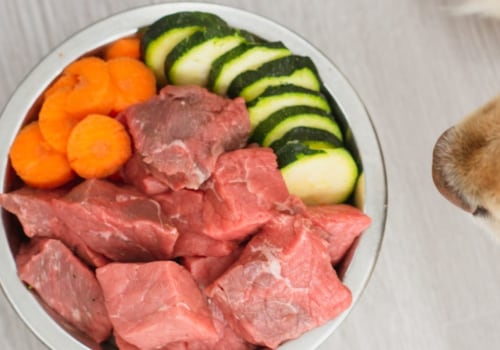
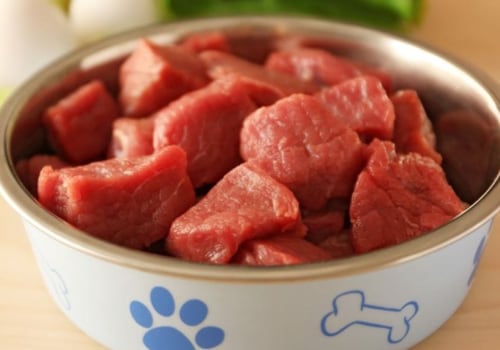
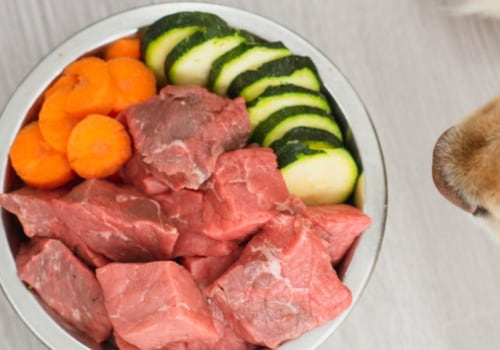
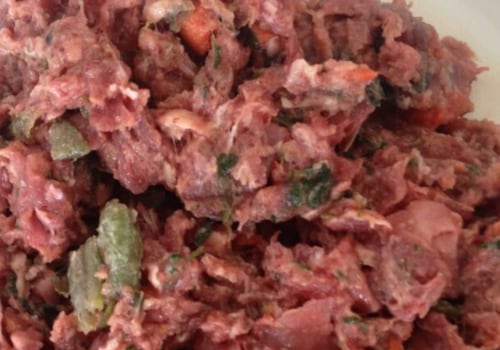
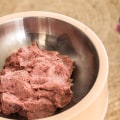
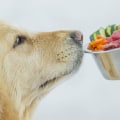
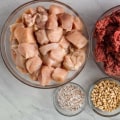
Raw dog food is a dietary approach that emphasizes feeding dogs a diet primarily composed of uncooked ingredients, mirroring what their ancestors would have consumed in the wild. This type of diet typically includes a variety of raw meats, bones, fruits, and vegetables, aiming to provide a balanced nutritional profile that supports overall health and vitality. The concept behind raw feeding is rooted in the belief that dogs thrive on a diet that is as close to their natural eating habits as possible, which can lead to improved digestion, healthier skin and coat, and increased energy levels.One of the primary benefits of raw dog food is its potential to enhance a dog's overall well-being. Many pet owners report noticeable improvements in their dogs' coat condition, dental health, and even behavior after transitioning to a raw diet.
Additionally, raw feeding can help maintain a healthy weight by allowing for better portion control and nutrient absorption. The absence of fillers and artificial additives commonly found in commercial dog foods also means that dogs are less likely to experience food sensitivities or allergies.The ingredients in raw dog food can vary widely but generally include high-quality protein sources such as beef, chicken, turkey, lamb, and fish. These proteins are often complemented by organ meats like liver and heart, which are rich in essential vitamins and minerals. Fruits and vegetables such as carrots, spinach, and blueberries may also be included to provide antioxidants and fiber.
It’s important for pet owners to ensure that the raw food they choose is well-balanced and meets their dog's specific nutritional needs.Understanding what raw dog food entails and its potential benefits sets the stage for discussing proper storage methods. Ensuring that raw ingredients are stored correctly is crucial for maintaining their freshness and preventing bacterial growth, which can pose health risks to both pets and humans alike.
Why Proper Storage of Raw Dog Food is Essential
Storing raw dog food properly is crucial for maintaining its quality and ensuring the safety of your pet. Unlike commercially processed dog food, raw diets can harbor harmful bacteria if not handled correctly. Understanding the importance of proper storage can help prevent spoilage and protect your furry friend from potential health risks.One of the primary reasons for proper storage is to minimize the risk of bacterial growth.Raw meats can contain pathogens such as Salmonella and E. coli, which can lead to serious health issues in both pets and humans. When raw dog food is left at room temperature for extended periods, these bacteria can multiply rapidly, increasing the likelihood of foodborne illnesses. Therefore, it is essential to keep raw food refrigerated or frozen until it is ready to be served.Improper storage can also lead to spoilage, which not only affects the nutritional value of the food but can also make it unpalatable for your dog.
Signs of spoilage include an off smell, discoloration, or a slimy texture. If you notice any of these signs, it’s best to discard the food rather than risk your pet's health.To ensure food safety for your pet, follow these guidelines:
- Keep raw dog food at a consistent temperature: Always store raw food in the refrigerator at 40°F or lower. If you’re using a freezer, ensure it remains at 0°F.
- Use airtight containers: Store raw dog food in sturdy plastic containers with tight-fitting lids or resealable freezer bags to prevent contamination and freezer burn.
- Label and date: Clearly label containers with the date of purchase or preparation to keep track of freshness and avoid using expired products.
- Avoid cross-contamination: Store raw dog food separately from other foods in your refrigerator to prevent any potential cross-contamination.
Best Practices for Storing Raw Dog Food in the Fridge
Storing raw dog food in the refrigerator requires careful attention to detail to ensure your pet's meals remain safe and nutritious.Here are some best practices to follow:
- Maintain the Right Temperature: The ideal temperature for storing raw dog food in the fridge is at or below 40°F (4°C). This temperature helps inhibit the growth of harmful bacteria that can spoil the food. Use a refrigerator thermometer to regularly check that your fridge maintains this temperature.
- Choose Appropriate Containers: When it comes to containers, opt for sturdy, airtight plastic or glass containers with secure lids. These containers not only prevent odors from escaping but also protect the food from contamination.
Resealable freezer bags are another excellent option for storing smaller portions of raw dog food.
- Organize Your Fridge: To avoid cross-contamination, always store raw dog food on the bottom shelf of your refrigerator. This placement prevents any drips from contaminating other foods. Additionally, keep raw dog food separate from cooked foods and ready-to-eat items.
- Label and Date: It’s essential to label each container with the date of storage and the type of food inside. This practice helps you keep track of freshness and ensures you use older items first, minimizing waste.
- Defrosting Tips: If you need to defrost raw dog food, do so in the refrigerator rather than at room temperature.
This method keeps the food at a safe temperature while it thaws. Plan ahead by moving a portion from the freezer to the fridge a day before feeding time.
- Avoid Leaving Food Out: Never leave raw dog food at room temperature for extended periods. If your dog doesn’t finish their meal within 30 minutes, discard any leftovers to prevent spoilage and potential health risks.
Defrosting Raw Dog Food Safely
Defrosting raw dog food properly is crucial to ensure your pet's safety and health.When raw food is not thawed correctly, it can lead to the growth of harmful bacteria, which can pose serious health risks to both pets and humans. Here are some effective methods and tips for safely defrosting raw dog food.
Safe Defrosting Methods
- Refrigerator Thawing: The safest way to defrost raw dog food is by placing it in the refrigerator. This method allows the food to thaw gradually while maintaining a safe temperature. Ensure that the refrigerator is set to 40°F or lower.
Depending on the size of the portion, this process may take several hours or overnight.
- Cold Water Thawing: If you need to defrost the food more quickly, you can use the cold water method. Place the sealed package of raw dog food in a bowl of cold water, changing the water every 30 minutes to keep it cold. This method typically takes about an hour for smaller portions.
- Microwave Thawing: While not recommended as a primary method, you can use a microwave to defrost raw dog food if you're in a hurry. Use the defrost setting and monitor closely to avoid cooking any part of the food.
Once thawed, serve immediately and do not refreeze.
Defrosting Tips for Pet Owners
- Portion Control: To make defrosting easier, consider dividing larger packages of raw dog food into smaller portions before freezing. This way, you can defrost only what you need for each meal, minimizing waste and ensuring freshness.
- Airtight Containers: Always store raw dog food in airtight containers or resealable bags to prevent contamination and maintain quality during storage and thawing.
- Never Refreeze: Once raw dog food has been thawed, it should not be refrozen. Instead, serve it immediately or store any leftovers in the refrigerator for up to three days.
- Monitor Temperature: Always check that your refrigerator maintains a consistent temperature of 40°F or lower. Use a thermometer if necessary to ensure safety.
Remember that maintaining proper hygiene and temperature control is key to keeping your furry friend healthy and happy.
Storing Leftovers: What You Need to Know
When it comes to storing leftover raw dog food, proper handling is crucial to ensure your pet's safety and health. After serving your dog, any uneaten raw food should be promptly refrigerated to minimize the risk of bacterial growth. Here are some essential tips for managing leftovers:- Immediate Refrigeration: As soon as your dog finishes their meal, place any leftover raw food in the refrigerator. Ideally, this should be done within two hours of serving to prevent spoilage.
- Use Airtight Containers: Store the leftover raw dog food in airtight containers or resealable plastic bags.
This helps to keep the food fresh and prevents cross-contamination with other foods in your fridge.
- Label and Date: Always label your containers with the date of storage. This practice will help you keep track of how long the food has been in the fridge.
Shelf Life of Raw Dog Food
The shelf life of raw dog food in the refrigerator is typically around 3 to 4 days. However, this can vary based on the specific ingredients and how well it was stored. Always check for any signs of spoilage, such as an off smell or discoloration, before serving leftovers to your pet.Best Practices for Leftover Storage
To maximize freshness and safety when storing leftover raw dog food, consider the following best practices:- Portion Control: When preparing meals, consider portioning out the food into smaller servings.
This way, you can minimize waste and only defrost what you need for each meal.
- Avoid Room Temperature: Never leave raw dog food at room temperature for extended periods. Bacteria can multiply rapidly at temperatures above 40°F, so always refrigerate leftovers promptly.
- Defrosting Tips: If you need to defrost leftover raw dog food, do so in the refrigerator rather than at room temperature. This method keeps the food at a safe temperature while it thaws.
Common Mistakes to Avoid When Storing Raw Dog Food
Storing raw dog food can be a straightforward process, but many pet owners inadvertently make mistakes that can compromise the safety and quality of the food.Here are some common errors to avoid:
- Improper Temperature Control: One of the most critical aspects of storing raw dog food is maintaining the right temperature. Many pet owners mistakenly store raw food at temperatures above 40°F, which can promote bacterial growth. Always ensure your refrigerator is set to 40°F or lower.
- Neglecting to Seal Containers: Leaving raw dog food in open containers or improperly sealed bags can lead to contamination and spoilage. Use airtight containers or resealable freezer bags to keep the food fresh and protected from other odors in the fridge.
- Storing Raw Food Above Cooked Foods: A common oversight is placing raw dog food above cooked foods in the refrigerator.
This can lead to cross-contamination if any juices leak. Always store raw meat on the bottom shelf, ideally in a separate bin.
- Defrosting Incorrectly: Some pet owners make the mistake of defrosting raw dog food at room temperature, which can allow harmful bacteria to multiply. Instead, always defrost in the refrigerator overnight, ensuring it stays at a safe temperature.
- Ignoring Expiration Dates: Failing to check expiration dates on pre-packaged raw dog food can lead to feeding your pet spoiled food. Always adhere to the manufacturer's guidelines and label your containers with dates when you open or prepare them.
- Not Cleaning Utensils and Surfaces: After handling raw dog food, many forget to thoroughly clean their utensils and surfaces.
This oversight can lead to cross-contamination with other foods. Always wash your hands, bowls, and any surfaces that came into contact with raw meat with hot, soapy water.
Frequently Asked Questions About Raw Dog Food Storage
When it comes to storing raw dog food, many pet owners have questions and concerns. Here are some frequently asked questions that can help clarify the best practices for keeping your dog's food safe and fresh.How long can I store raw dog food in the fridge?
Raw dog food can typically be stored in the refrigerator for up to 3 days after it has been thawed.It’s important to keep it in a sealed container to prevent contamination and to maintain freshness. If you have leftovers after serving, make sure to refrigerate them promptly.
Can I refreeze raw dog food after it has been thawed?
It is generally not recommended to refreeze raw dog food once it has been thawed. Doing so can compromise the quality and safety of the food. Instead, try to only thaw what you need for a single meal, which helps minimize waste and ensures your pet receives fresh food.What is the best way to defrost raw dog food?
The safest method for defrosting raw dog food is to place it in the refrigerator overnight.This allows the food to thaw gradually while keeping it at a safe temperature. Avoid defrosting at room temperature, as this can promote bacterial growth.
Should I store raw dog food on a specific shelf in the fridge?
Yes, it’s best to store raw dog food on the bottom shelf of your refrigerator. This prevents any potential drips from contaminating other foods. Always keep raw meats separate from cooked foods and produce.How should I clean my fridge after storing raw dog food?
After storing raw dog food, it’s essential to regularly clean your refrigerator.Use a mixture of warm water and soap or a mild disinfectant to wipe down surfaces where the raw food was stored. This helps eliminate any bacteria that may have come into contact with other items in your fridge.By following these guidelines and addressing common concerns, you can ensure that your pet's raw dog food is stored safely and remains nutritious for your furry friend.
Conclusion: Key Takeaways for Storing Raw Dog Food Safely
Storing raw dog food safely is crucial for maintaining your pet's health and preventing foodborne illnesses. Here are the key takeaways to ensure you handle and store raw dog food effectively:- Keep it Cold: Always store raw dog food in the refrigerator at a consistent temperature of 40°F or lower. This helps inhibit the growth of harmful bacteria.
- Use Proper Containers: Invest in sturdy, airtight containers or resealable freezer bags to prevent cross-contamination and keep the food fresh.
Label each container with the date of purchase and expiration to track freshness.
- Defrost Safely: When thawing raw dog food, do so in the refrigerator rather than at room temperature. This minimizes the risk of bacterial growth. Ideally, defrost only what you need for a single meal.
- Store Separately: Keep raw dog food separate from other foods in your fridge to avoid cross-contamination. Place it on the bottom shelf to prevent any drips from contaminating other items.
- Practice Good Hygiene: Always wash your hands, utensils, and surfaces thoroughly after handling raw dog food.
This practice is essential for preventing the spread of bacteria.
- Avoid Leaving Food Out: Never leave raw dog food at room temperature for extended periods. If your pet doesn’t finish their meal, refrigerate any leftovers promptly and use them within a few days.
- Monitor Shelf Life: Be aware of the shelf life of raw dog food products. Most should be used within a few days after thawing, while frozen portions can last much longer if stored correctly.