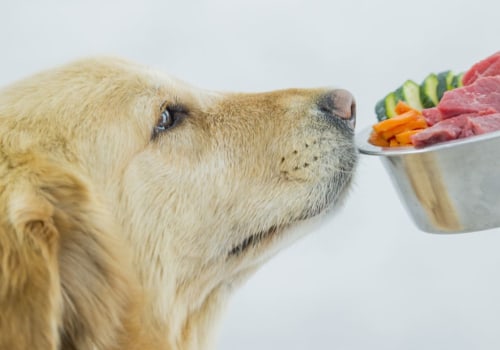
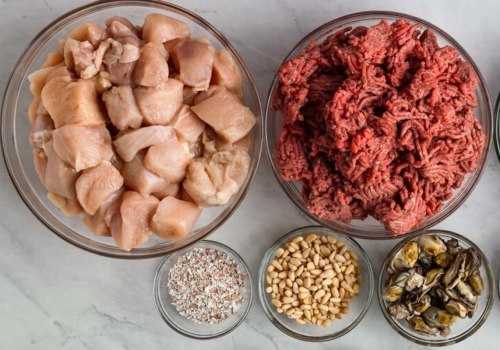
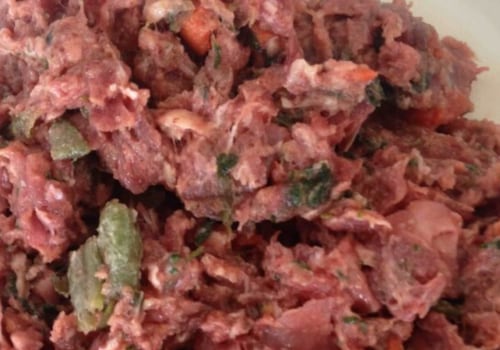
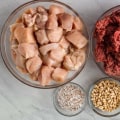
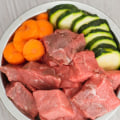
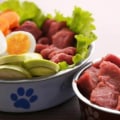
In recent years, the trend of feeding dogs a raw dog food diet has gained significant traction among pet owners. This approach is rooted in the belief that a diet mimicking what dogs would naturally consume in the wild can lead to improved health and vitality. Advocates of raw feeding argue that it offers numerous benefits, including better digestion, healthier skin and coat, increased energy levels, and even improved dental health. As more pet owners seek to provide their furry companions with the best possible nutrition, understanding the components of a raw diet becomes essential.Raw dog food typically consists of uncooked meat, bones, fruits, and vegetables, aiming to replicate the ancestral diet of dogs.
This diet is often high in protein and fat while being low in carbohydrates, aligning with the nutritional needs of canines. However, not all raw dog food products are created equal; some may contain higher fat content than others, which can be a concern for certain dogs, especially those with specific health issues like pancreatitis. Therefore, it is crucial for pet owners to carefully evaluate the fat content in these diets to ensure they are meeting their dog's unique dietary requirements.As we delve deeper into the world of raw dog food, we will explore its various benefits and how it can positively impact your dog's overall health. Additionally, we will address common misconceptions about fat content in raw diets and provide guidance on how to choose the right raw food options for your pet.
By understanding the intricacies of a raw dog food diet, you can make informed decisions that contribute to your dog's well-being and longevity.
What is Raw Dog Food?
Raw dog food
refers to a diet that consists primarily of uncooked ingredients, designed to mimic the natural eating habits of dogs' ancestors. This type of diet is based on the premise that dogs thrive on a diet rich in protein and low in carbohydrates, similar to what they would have consumed in the wild. The goal is to provide a balanced nutritional profile that supports overall health and well-being.There are several types of raw dog food , each with its unique characteristics:
- Raw Meaty Bones (RMBs): These include whole or large pieces of raw bones with meat still attached. They provide essential nutrients and help maintain dental health.
- Whole Prey Model: This approach involves feeding dogs whole animals or parts of animals, including organs, bones, and muscle meat, closely resembling what a dog would eat in the wild.
- Commercial Raw Dog Food: These are pre-packaged raw diets available in various forms, such as frozen, freeze-dried, or dehydrated.
They often contain a mix of meats, organs, and sometimes vegetables.
- Homemade Raw Diets: Pet owners can prepare their own raw meals using fresh ingredients. This allows for customization based on the dog's specific needs but requires careful planning to ensure nutritional balance.
- Meat: Lean cuts from animals like chicken, beef, turkey, and fish are popular choices. These provide high-quality protein essential for muscle development and energy.
- Organs: Organ meats such as liver and kidney are nutrient-dense and offer vitamins and minerals that support various bodily functions.
- Bones: Raw bones are not only a source of calcium but also help keep teeth clean and healthy through natural chewing.
- Vegetables: While dogs are primarily carnivorous, some raw diets include small amounts of vegetables like carrots or spinach for added fiber and nutrients.
- Supplements: Depending on the specific dietary needs of the dog, some owners may choose to add supplements such as fish oil for omega-3 fatty acids or probiotics for digestive health.
Nutritional Composition of Raw Dog Food
Understanding the nutritional composition of raw dog food is essential for pet owners who want to provide their dogs with a balanced diet that mimics their ancestral eating habits.The primary components of raw dog food include proteins and fats, both of which play crucial roles in a dog's overall health.
Protein Content
Protein is a vital nutrient for dogs, serving as the building block for muscles, tissues, and organs. In a raw dog food diet, protein sources typically include meats such as chicken, beef, turkey, and fish. These proteins are not only rich in essential amino acids but also highly digestible, making them an excellent choice for canine nutrition.The protein content in raw dog food can vary significantly depending on the specific formulation and ingredients used. Generally, a well-balanced raw diet should contain between 30% to 50% protein.
For instance, ground beef may offer around 26% protein, while chicken breast can provide up to 31%. It's important to choose high-quality protein sources to ensure your dog receives adequate nutrition.
Fat Content
Fats are another critical component of raw dog food, providing energy and supporting various bodily functions. However, the fat content can vary widely among different raw diets. While some formulations may contain as much as 75% of calories from fat, others aim for a more moderate level of around 44%, which aligns more closely with a dog's ancestral diet.For dogs with specific health concerns, such as pancreatitis, it is crucial to monitor fat intake closely.
Ideally, the fat content in raw dog food should be kept between 2% to 13%. Meats like chicken and beef are generally lower in fat compared to lamb or pork, which can be excessively fatty. Additionally, certain meats like duck naturally have higher fat content and may exceed 15% fat.When selecting raw dog food, always check the nutritional analysis provided by the manufacturer. This will help you understand the balance of protein and fat in the diet you choose for your pet.
A well-formulated raw diet not only supports your dog's energy needs but also contributes to healthy skin and coat, optimal weight management, and overall vitality.In conclusion, the nutritional value of raw dog food hinges on its protein and fat content. By carefully selecting high-quality ingredients and monitoring these macronutrients, you can ensure that your dog receives a balanced diet that promotes long-term health and well-being.
Is Raw Dog Food Low in Fat?
When considering whether raw dog food is low in fat, it’s essential to understand the variations in fat content across different brands and formulations. Generally, the fat content in raw dog food can range significantly, influenced by the type of meat used and the specific recipe. For instance, some raw diets may contain as little as 2% fat, while others can exceed 15% or more, particularly those that include fatty meats like duck or lamb.To determine if a raw dog food is low in fat, it’s crucial to examine the nutritional analysis provided by the manufacturer.A diet that maintains a fat content of around 10% or lower is typically considered low-fat. This is particularly important for dogs with specific health concerns, such as pancreatitis, where a low-fat diet can help manage their condition effectively.
Low-Fat Raw Dog Food Options
If you are looking for low-fat raw dog food options, consider proteins that are naturally leaner. Chicken breast and turkey are excellent choices, as they tend to have lower fat content compared to red meats. Additionally, some brands offer specially formulated low-fat raw diets that cater to dogs needing weight management or those with health issues.High-Fat Raw Dog Food
On the other hand, high-fat raw dog food options can be beneficial for active dogs or those needing to gain weight.These diets often include richer meats and organ meats that provide higher caloric density. However, it’s important to monitor your dog's overall health and weight when feeding high-fat diets to prevent obesity and related health issues.In summary, while some raw dog foods can be low in fat, others may be quite high depending on their ingredients. Always consult with your veterinarian to determine the best dietary approach for your dog's individual needs and health status.
Factors Influencing Fat Content in Raw Dog Food
When considering a raw dog food diet, understanding the factors influencing fat content is crucial for ensuring your pet's health and well-being. Several elements come into play, including the type of meat used, the preparation methods, and even the specific cuts of meat selected.Type of Meat
The type of meat you choose significantly impacts the fat content in raw dog food.Different meats have varying fat levels:
- Chicken: Generally lower in fat, especially when using skinless cuts. Chicken breast is an excellent choice for a lean protein source.
- Beef: Offers a moderate fat content, but this can vary widely depending on the cut. Ground beef can be lean or fatty, so selecting cuts like sirloin or round can help manage fat levels.
- Lamb and Pork: These meats tend to be higher in fat. While they can be included in a raw diet, they should be used sparingly, especially for dogs prone to weight gain or pancreatitis.
- Fish: Fatty fish like salmon are rich in omega-3 fatty acids but should be balanced with leaner meats to avoid excessive fat intake.
Preparation Methods
The way you prepare raw dog food can also affect its fat content.Here are some considerations:
- Trimming Fat: When preparing raw meals, trimming excess fat from meat cuts can significantly reduce overall fat content. This is particularly important for meats known to have higher fat levels.
- Mixing Ingredients: Combining different types of meat can help balance the overall fat content. For instance, mixing lean chicken with a small amount of fatty beef can create a more balanced meal.
- Additives: Some owners may choose to add supplements or other ingredients that can alter the nutritional profile of the meal. Be cautious with high-fat additives like oils or fatty treats.
By selecting appropriate meats and preparation methods, you can ensure that your dog's diet remains balanced and aligned with their health needs.
Health Implications of Fat Content in Raw Dog Food
When considering a raw dog food diet, the fat content plays a crucial role in your dog's overall health. The implications of feeding dogs high-fat versus low-fat diets can vary significantly, especially for those with specific health conditions.Health Effects of Fat in Dog Diet
Fat is an essential nutrient that provides energy, supports cell structure, and aids in the absorption of fat-soluble vitamins. However, the type and amount of fat in your dog's diet can lead to different health outcomes. High-fat diets can be beneficial for active dogs that require more energy, but they can also pose risks for dogs that are less active or have underlying health issues.For instance, a diet excessively high in fat can lead to obesity, which is a growing concern among pet owners.
Obesity in dogs can result in numerous health problems, including joint issues, diabetes, and cardiovascular diseases. Therefore, it is vital to monitor the fat content in your dog's raw dog food to ensure it aligns with their activity level and health status.
Pancreatitis in Dogs
One of the most significant concerns regarding high-fat diets is the risk of pancreatitis. This condition occurs when the pancreas becomes inflamed, often due to excessive fat intake. Dogs suffering from pancreatitis may experience severe abdominal pain, vomiting, and lethargy.
For these dogs, a low-fat diet is essential to prevent further aggravation of their condition.If your dog has a history of pancreatitis or is at risk due to obesity or other factors, it is crucial to choose raw dog food options that are specifically formulated to be low in fat. Lean meats such as chicken or turkey are excellent choices, as they provide necessary protein without excessive fat content.
Balancing Fat Content
Finding the right balance of fat in your dog's diet is essential for maintaining their health. Ideally, you should aim for a fat content that ranges from 2% to 13%, depending on your dog's individual needs. Regularly consulting with your veterinarian can help you determine the appropriate dietary adjustments based on your dog's age, weight, and activity level.In conclusion, while fat is an important component of a dog's diet, understanding its implications is vital for ensuring your pet's well-being.
By carefully selecting raw dog food with appropriate fat levels and considering any existing health conditions, you can help promote a healthier lifestyle for your furry friend.
Choosing the Right Raw Dog Food for Your Pet
When it comes to selecting the right raw dog food for your pet, understanding their unique dietary needs is crucial. Each dog is different, and factors such as age, size, activity level, and health conditions play a significant role in determining the best diet. Here are some essential guidelines to help you make an informed choice.Assess Your Dog's Needs
Before diving into the world of raw dog food, take a moment to evaluate your dog's specific requirements:- Age: Puppies have different nutritional needs compared to adult dogs. They require more calories and nutrients to support their growth.
- Size: Larger breeds may need more substantial portions, while smaller breeds require less food but still need balanced nutrition.
- Activity Level: Active dogs burn more calories and may need a higher fat content in their diet compared to less active dogs.
- Health Conditions: Dogs with specific health issues, such as pancreatitis or obesity, may benefit from low-fat options.
Choosing Low-Fat Raw Dog Foods
If your dog requires a low-fat diet, there are several options available:- Lean Meats: Look for raw dog foods that primarily use lean meats like chicken breast or turkey.
These options typically contain lower fat content.
- Fish: Certain fish varieties, such as whitefish or cod, can be excellent low-fat protein sources.
- Vegetables: Incorporating vegetables can help balance the diet while keeping fat levels down. Carrots, green beans, and spinach are great choices.
Nutritional Analysis
Always check the nutritional analysis of any raw dog food you consider. Ideally, you want the fat content to be around 2% to 13%. If the fat content exceeds this range significantly, it may indicate that the food contains high-fat trimmings or unsuitable protein sources.Feeding Guidelines
Establishing proper feeding guidelines is essential for maintaining your dog's health:- Puppies: Generally require about 8-10% of their body weight in food daily.
- Adult Dogs: Typically need about 2-3% of their body weight in raw food each day.
- Seniors: May require adjustments based on their activity level and health status; consult your veterinarian for tailored advice.
By focusing on lean protein sources and adhering to appropriate feeding guidelines, you can ensure that your furry friend receives a balanced and nutritious diet that supports their overall health and well-being.
FAQs About Raw Dog Food and Fat Content
When considering a raw dog food diet, many pet owners have questions about the fat content and its implications for their dogs' health. Here are some frequently asked questions that can help clarify common misconceptions:- Is all raw dog food high in fat?
Not necessarily. While some raw dog foods can be high in fat, especially those made from fatty meats like lamb or pork, there are many options available that are lower in fat. For instance, chicken and turkey are typically leaner choices.It's essential to read the nutritional labels and choose products that align with your dog's dietary needs.
- What is considered a low-fat raw dog food?
A low-fat raw dog food generally contains less than 13% fat on a dry matter basis. Some brands even offer formulations with as little as 2% fat, which can be beneficial for dogs with specific health issues, such as pancreatitis. - Can a raw diet help my overweight dog?
Yes, a raw diet can assist in weight management. Raw foods are often more nutrient-dense and easier to digest, allowing for smaller portion sizes while still providing adequate nutrition. However, portion control is crucial to avoid overfeeding. - Are there any risks associated with high-fat raw diets?
Yes, feeding a high-fat diet can lead to health issues such as obesity and pancreatitis.It's vital to monitor your dog's weight and overall health regularly and consult with a veterinarian if you have concerns.
- How do I know if my dog is getting the right amount of fat?
The right amount of fat depends on your dog's age, size, activity level, and health status. Consulting with a veterinarian can help you determine the appropriate fat content for your dog's specific needs.
Conclusion: The Balance of Fat in Raw Dog Food Diets
In conclusion, understanding the balance of fat in raw dog food diets is crucial for ensuring the health and well-being of your canine companion. As we have explored, not all raw diets are created equal, and the fat content can vary significantly between different brands and types of meat. This variability can have a profound impact on your dog's overall health, particularly for those with specific dietary needs or health conditions.It is essential to recognize that while fat is a necessary component of a dog's diet, moderation is key.A diet excessively high in fat can lead to obesity and other health issues, especially in dogs that are less active or have pre-existing conditions such as pancreatitis. Therefore, selecting raw dog food with a fat content that aligns with your dog's individual needs is vital.When considering a raw diet, aim for options that provide a fat content ranging from 2% to 13%. This range is generally considered lean and suitable for most dogs. However, be cautious with meats that are naturally higher in fat, such as duck or lamb, which can exceed 15% fat content.
These should be fed sparingly or mixed with leaner protein sources to maintain a balanced diet.Moreover, it’s important to consult with your veterinarian before making any significant changes to your dog's diet. They can provide personalized recommendations based on your dog's age, weight, activity level, and health status. By doing so, you can ensure that your dog receives the right balance of nutrients while avoiding potential pitfalls associated with high-fat diets.Ultimately, the goal of feeding raw dog food should be to enhance your dog's quality of life through proper nutrition. By being informed about the fat content and making thoughtful choices regarding their diet, you can help your furry friend thrive and enjoy a healthier lifestyle.