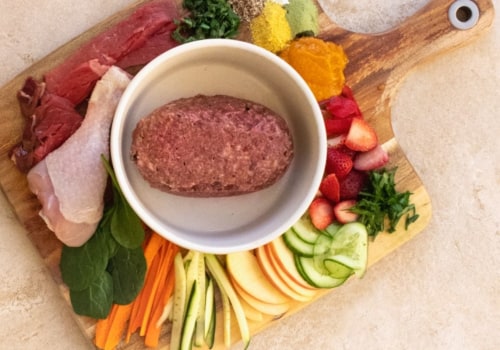
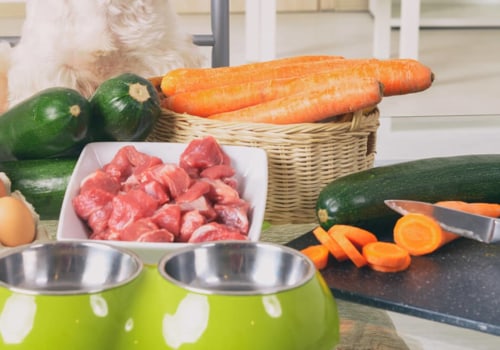
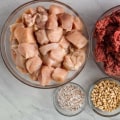
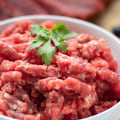
The concept of raw dog food has gained significant traction among pet owners in recent years, sparking passionate debates about its benefits and risks. Advocates of raw feeding argue that it closely mimics the natural diet of dogs' wild ancestors, providing a more authentic and nutritious option compared to traditional kibble. This approach often includes a variety of raw meats, bones, fruits, and vegetables, which proponents believe can lead to improved health outcomes for their furry companions.One of the primary reasons behind the growing popularity of raw dog food is the belief that it can enhance a dog's overall well-being. Many pet owners report noticeable improvements in their dogs' coat condition, energy levels, and digestive health after transitioning to a raw diet.
Additionally, the absence of fillers and artificial additives commonly found in commercial dog foods is appealing to those who prioritize natural ingredients. The idea that feeding dogs a diet rich in whole foods can lead to better health resonates with many pet parents who are increasingly conscious about what they feed their pets.However, while the allure of raw dog food is strong, it is essential to consider the potential risks associated with this feeding method. Raw diets can pose health hazards not only to dogs but also to humans handling the food. Bacteria such as Salmonella and E.
coli can thrive in raw meat, leading to serious infections if proper hygiene practices are not followed. Furthermore, ensuring that a raw diet is nutritionally balanced can be challenging; without careful planning, dogs may suffer from deficiencies or imbalances that could affect their long-term health.As we delve deeper into the world of raw dog food, it becomes crucial to weigh both its potential benefits and risks. Understanding these factors will help pet owners make informed decisions about their dogs' diets and ensure they provide the best possible nutrition for their beloved companions.
The Nutritional Value of Raw Dog Food
When considering a raw dog food diet, understanding its nutritional components is crucial for ensuring your dog receives a balanced and healthy meal. Raw dog food typically consists of a variety of ingredients, including raw meats, bones, fruits, and vegetables, each contributing essential nutrients that support your dog's overall health.Proteins
are the cornerstone of any dog's diet, and raw dog food is often rich in high-quality animal proteins.
These proteins are vital for muscle development, tissue repair, and overall growth. Common protein sources in raw diets include chicken, beef, lamb, and fish. Each type of meat offers different amino acids that are essential for your dog's well-being.
Fats
are another important component of raw dog food. They provide a concentrated source of energy and are necessary for the absorption of fat-soluble vitamins (A, D, E, and K).
Healthy fats from sources like fish oil or chicken fat can also promote a shiny coat and healthy skin.In addition to proteins and fats, vitamins and minerals play a significant role in maintaining your dog's health. Raw fruits and vegetables can be excellent sources of vitamins such as vitamin C and various B vitamins. Minerals like calcium and phosphorus are crucial for bone health and can be obtained from ground bones or supplements added to the diet.However, achieving a balanced diet with raw feeding requires careful planning. It's essential to ensure that your dog's meals contain the right proportions of proteins, fats, vitamins, and minerals.
A common recommendation is to follow the 80/10/10 rule: 80% meat, 10% bone, and 10% organ meat. This balance helps provide a comprehensive nutrient profile that supports your dog's health.Moreover, consulting with a veterinary nutritionist can be beneficial when transitioning to a raw diet. They can help you formulate a meal plan that meets your dog's specific needs based on their age, weight, activity level, and any health concerns.In conclusion, while raw dog food can offer numerous nutritional benefits through its natural ingredients, it is imperative to approach it with knowledge and care to ensure your dog receives a well-rounded diet that promotes optimal health.
The Benefits of Feeding Dogs Raw Food
Feeding dogs a raw food diet has gained popularity among pet owners who seek to provide their furry companions with a more natural and wholesome approach to nutrition. Advocates of raw feeding often cite several potential benefits that can enhance a dog's overall health and well-being.One of the most frequently mentioned advantages is the improvement in coat condition.Many dog owners report that their pets' fur becomes shinier, softer, and less prone to shedding after transitioning to a raw diet. This change is often attributed to the high-quality fats and proteins found in raw meats, which can contribute to healthier skin and fur.Another significant benefit of raw feeding is enhanced dental health. Chewing on raw meaty bones can help reduce plaque and tartar buildup, promoting better oral hygiene. The mechanical action of gnawing on bones not only cleans the teeth but also strengthens the jaw muscles, leading to improved dental structure over time.Energy levels are also a common point of discussion among raw food proponents.
Many pet owners observe that their dogs exhibit increased vitality and stamina after switching to a raw diet. This boost in energy may be due to the absence of fillers and artificial additives commonly found in commercial dog foods, allowing dogs to absorb nutrients more efficiently.Moreover, some studies suggest that a raw dog food diet may lead to better digestion. Raw foods are often easier for dogs to digest compared to processed kibble, which can contain ingredients that are hard for some dogs to break down. A diet rich in natural enzymes from raw meats and vegetables can support gut health and improve nutrient absorption.Testimonials from dog owners further support these claims.
For instance, one owner noted that their dog's allergies significantly decreased after switching to a raw diet, while another reported a marked improvement in their dog's mobility and joint health. These anecdotal experiences highlight the potential for raw feeding to address specific health concerns.While the benefits of feeding dogs raw food are compelling, it is essential for pet owners to approach this diet with caution. Ensuring a balanced intake of nutrients is crucial, as improper feeding can lead to deficiencies or imbalances. Consulting with a veterinary nutritionist can help create a tailored plan that meets your dog's specific needs.
Potential Risks and Concerns with Raw Dog Food
Feeding dogs a raw food diet can be appealing to many pet owners who wish to provide their furry companions with a diet that mimics what they would eat in the wild.However, it is crucial to understand the potential risks and concerns associated with raw dog food.One of the most significant risks of feeding dogs raw food is the potential for bacterial infections. Raw meat can harbor harmful bacteria such as Salmonella, E. coli, and Campylobacter. These pathogens can lead to serious health issues not only for dogs but also for humans who may come into contact with contaminated surfaces or feces.
Dogs that consume raw meat are at a higher risk of developing foodborne illnesses, which can manifest as vomiting, diarrhea, and lethargy.Moreover, handling raw meat poses additional risks. Pet owners must take precautions to minimize exposure to bacteria. Here are some essential safety tips for handling raw dog food:
- Wash Hands Thoroughly: Always wash your hands with soap and water before and after handling raw meat.
- Use Separate Utensils: Designate specific cutting boards, knives, and bowls for raw meat to avoid cross-contamination with human food.
- Clean Surfaces Regularly: Disinfect countertops and any surfaces that come into contact with raw meat to eliminate bacteria.
- Store Properly: Keep raw dog food in sealed containers in the refrigerator or freezer to prevent spoilage and bacterial growth.
- Avoid Contact: Prevent your dog from licking your face or hands after eating raw food, as this can transfer bacteria.
It is vital for pet owners to research and consult with a veterinary nutritionist to ensure that their dog's diet meets all nutritional requirements. A poorly balanced raw diet can lead to deficiencies or excesses of certain vitamins and minerals, which can adversely affect your dog's health over time.In conclusion, while there are benefits associated with feeding dogs raw food, it is essential to weigh these against the potential risks. By understanding the dangers of bacterial infections and nutritional imbalances, pet owners can make informed decisions about their dog's diet while implementing safe handling practices.
Cooked Dog Food: An Alternative Option
When considering the best diet for your canine companion, cooked dog food emerges as a viable alternative to raw feeding. This option not only offers numerous benefits but also addresses some of the safety concerns associated with raw diets.Benefits of Cooked Dog Food
- Safety from Pathogens: One of the most significant advantages of cooked dog food is its ability to eliminate harmful bacteria and pathogens.
Cooking meat at appropriate temperatures effectively kills bacteria such as Salmonella and E. coli, which can pose serious health risks to both dogs and humans.
- Nutrient Availability: Cooking can enhance the digestibility of certain nutrients, making them more accessible for your dog. For instance, cooking can break down tough fibers in vegetables, allowing for better absorption of vitamins and minerals.
- Balanced Nutrition: Many commercially prepared cooked dog foods are formulated to meet the nutritional standards set by veterinary nutritionists. This ensures that your dog receives a balanced diet rich in essential nutrients without the risk of imbalances that can occur with a raw diet.
- Convenience: Preparing cooked meals for your dog can be simpler than managing a raw diet.
Cooked meals can be made in batches and stored for later use, saving time and effort in daily meal preparation.
Cooked vs Raw Dog Food
The debate between cooked and raw dog food often centers around safety and nutritional adequacy. While raw diets may appeal to those wanting to mimic a dog's ancestral eating habits, they come with risks that cooked diets do not. For example, raw diets require meticulous handling to prevent contamination, whereas cooked foods significantly reduce this risk.
Safety of Cooked Dog Food
In addition to being safer from pathogens, cooked dog food is less likely to cause foodborne illnesses. This is particularly important for households with young children or elderly family members who may have compromised immune systems.
Furthermore, many pet owners find that cooked diets are easier to manage in terms of hygiene; there’s less concern about cross-contamination when handling food.Ultimately, while both raw and cooked diets have their proponents, the safety and convenience of cooked dog food make it an attractive option for many pet owners. By choosing a well-balanced cooked diet, you can provide your dog with nutritious meals while minimizing health risks associated with raw feeding.
Comparing Raw and Cooked Dog Food: A Comprehensive Analysis
When it comes to choosing between raw dog food and cooked dog food, pet owners often find themselves weighing the benefits and drawbacks of each option. Understanding the differences can help you make an informed decision that best suits your dog's health and lifestyle.Pros of Raw Dog Food
- Natural Ingredients: Raw dog food typically consists of whole, unprocessed ingredients, which can be closer to a dog's ancestral diet.
- Higher Nutrient Retention: Cooking can sometimes diminish certain nutrients. Raw diets may preserve more vitamins and minerals.
- Improved Coat Condition: Many owners report shinier coats and healthier skin in dogs fed a raw diet, attributed to the natural fats and oils present in raw meats.
- Better Digestion: Some dogs may digest raw food more efficiently, leading to smaller, less odorous stools.
Cons of Raw Dog Food
- Bacterial Risks: Raw meat can harbor harmful bacteria such as Salmonella or E.
coli, posing risks not only to dogs but also to humans handling the food.
- Nutritional Imbalance: Formulating a balanced raw diet requires careful planning. Without proper knowledge, dogs may miss essential nutrients.
- Handling Challenges: Preparing raw food necessitates strict hygiene practices to prevent cross-contamination in your kitchen.
Pros of Cooked Dog Food
- Safety: Cooking meat kills harmful bacteria, reducing the risk of foodborne illnesses for both pets and their owners.
- Nutritional Balance: Commercially prepared cooked dog foods are often formulated by veterinary nutritionists to ensure they meet all dietary needs.
- Easier Digestion for Some Dogs: Cooking can make certain ingredients easier for dogs to digest, especially for those with sensitive stomachs.
Cons of Cooked Dog Food
- Nutrient Loss: Some vitamins and minerals may be lost during the cooking process, potentially leading to deficiencies if not properly managed.
- Additives and Preservatives: Some commercial cooked dog foods may contain artificial additives or preservatives that some pet owners prefer to avoid.
Consulting with Professionals: The Importance of Veterinary Guidance
When considering a shift in your dog's diet, particularly towards options like raw dog food, it is crucial to seek the expertise of veterinary professionals. Consulting with a veterinarian or a certified pet nutritionist can provide invaluable insights that ensure your dog receives a balanced and safe diet tailored to their specific needs.Veterinarians are trained to understand the nutritional requirements of dogs at various life stages, from puppies to seniors.They can assess your dog's health status, including any pre-existing conditions, and recommend dietary adjustments that align with their overall well-being. For instance, if your dog has allergies, sensitivities, or health issues such as pancreatitis, a vet can guide you on the best food choices that minimize risks and promote health.
The Role of Pet Nutritionists
In addition to veterinarians, pet nutritionists specialize in formulating diets that meet the unique needs of dogs. They can help you navigate the complexities of raw dog food diets, ensuring that you provide all essential nutrients while avoiding potential deficiencies. A nutritionist can also assist in creating meal plans that consider your dog's age, weight, activity level, and any specific health concerns.Moreover, transitioning to a new diet should be done gradually.A professional can outline a safe transition plan that minimizes digestive upset and allows your dog to adjust to new ingredients effectively. This is particularly important when introducing raw foods, as sudden changes can lead to gastrointestinal issues.
Safe Feeding Practices
Consulting with professionals also emphasizes the importance of safe feeding practices. Handling raw meat requires strict hygiene measures to prevent contamination. A veterinarian can provide guidelines on:- Proper storage and thawing methods for raw ingredients.
- Safe preparation techniques to avoid cross-contamination.
- Regular cleaning protocols for feeding bowls and surfaces.
Their expertise will help ensure that your dog's nutritional needs are met safely and effectively, promoting a healthier and happier life for your furry companion.
Frequently Asked Questions About Raw Dog Food
As pet owners consider the best diet for their furry companions, many questions arise regarding raw dog food. Below are some frequently asked questions that can help clarify common concerns and misconceptions about feeding dogs a raw diet.What is raw dog food?
Raw dog food typically consists of uncooked meat, bones, fruits, and vegetables. Proponents of this diet argue that it mimics what dogs would eat in the wild, providing a more natural source of nutrition.Is raw dog food safe for my pet?
While many dogs thrive on a raw diet, there are inherent risks associated with feeding them raw food. The primary concern is the potential for bacterial contamination , such as Salmonella or E.coli, which can affect both dogs and humans. It is crucial to handle raw meat safely, ensuring that all surfaces and utensils are thoroughly cleaned after use.
How can I ensure my dog gets a balanced diet on raw food?
Feeding your dog a balanced raw diet requires careful planning. It's essential to include a variety of protein sources, organ meats, and appropriate vegetables to meet your dog's nutritional needs. Consulting with a veterinary nutritionist can help you formulate a balanced meal plan tailored to your dog's specific requirements.What are the signs that my dog may not be tolerating raw food?
If your dog experiences gastrointestinal issues such as vomiting, diarrhea, or excessive gas after switching to a raw diet, it may indicate an intolerance or imbalance in their diet.Monitoring your dog's health closely during the transition period is vital.
Can I mix raw and cooked food?
Mixing raw and cooked foods is generally not recommended due to differences in digestion rates. If you choose to incorporate both types of food into your dog's diet, it's best to feed them separately to avoid digestive upset.What precautions should I take when feeding my dog raw food?
- Hygiene: Always wash your hands after handling raw meat and clean all surfaces thoroughly.
- Storage: Store raw dog food in the freezer until ready to use and thaw it safely in the refrigerator.
- Consultation: Speak with your veterinarian before making any significant changes to your dog's diet.
Conclusion: Making the Right Choice for Your Dog's Diet
Choosing the right diet for your dog is a significant decision that can impact their overall health and well-being. As we have explored throughout this article, both raw dog food and cooked diets come with their own sets of advantages and challenges. Understanding these factors is crucial in making an informed choice that aligns with your dog's specific needs.One of the primary considerations is the nutritional balance of the diet.While raw diets can offer high-quality ingredients that mimic a dog's ancestral eating habits, they also require careful planning to ensure that all essential nutrients are included. A poorly balanced raw diet can lead to nutritional deficiencies or excesses, which may harm your dog's health over time.On the other hand, cooked diets provide a safer alternative by eliminating harmful bacteria and pathogens that can be present in raw meat. Cooking food not only makes it safer for your dog but also for the humans in your household, especially if there are young children or elderly family members. Additionally, many commercial cooked dog foods are formulated to meet the nutritional standards set by veterinary nutritionists, ensuring a balanced diet.Another important aspect to consider is the lifestyle of both you and your dog.
If you lead a busy life, preparing raw meals may be time-consuming and require strict adherence to safety protocols to prevent contamination. Conversely, cooked meals or high-quality commercial dog foods can offer convenience without compromising on nutrition.Ultimately, the decision between raw and cooked dog food should be based on a thorough evaluation of your dog's health, lifestyle, and any specific dietary needs they may have. Consulting with a veterinarian or a veterinary nutritionist can provide valuable insights tailored to your dog's unique situation.In conclusion, whether you opt for raw dog food or cooked meals, the key is to prioritize your dog's health and well-being by making an informed choice. Regularly monitoring their health and adjusting their diet as needed will help ensure they lead a happy and healthy life.