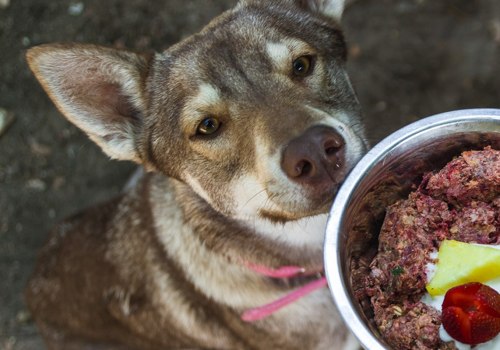
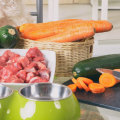
In recent years, the concept of raw dog food has gained significant traction among pet owners in the UK, sparking a movement towards more natural and wholesome diets for our canine companions. This approach to feeding dogs emphasizes the use of raw ingredients, including high-quality meats, fruits, and vegetables, rather than relying on the heavily processed kibble that has dominated the market for decades. As pet owners become increasingly aware of the potential health risks associated with commercial dog foods—such as additives, preservatives, and artificial ingredients—the appeal of a raw diet becomes more pronounced.The growing popularity of raw dog food can be attributed to several factors. Many pet owners are motivated by a desire to provide their dogs with a diet that mirrors what their ancestors would have eaten in the wild.
This instinctual approach to feeding aligns with the belief that dogs thrive on a diet rich in natural nutrients found in raw meats and whole foods. Additionally, numerous testimonials from dog owners highlight improvements in their pets' health, including shinier coats, increased energy levels, and better digestion after switching to a raw diet.Moreover, the UK market has seen an influx of companies dedicated to producing high-quality raw dog food options. These brands prioritize sourcing human-grade ingredients and offer convenient delivery services, making it easier for pet owners to access nutritious meals for their dogs. As awareness grows about the benefits of raw feeding, more pet owners are exploring this dietary option as a viable alternative to traditional dog food.In this article, we will delve deeper into what raw dog food entails, explore its numerous benefits, and discuss important considerations for those thinking about transitioning their pets to a raw diet.
Understanding these aspects is crucial for ensuring that your furry friend receives a balanced and healthy diet that supports their overall well-being.
What is Raw Dog Food?
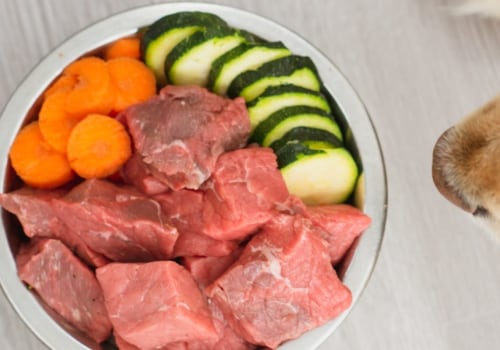
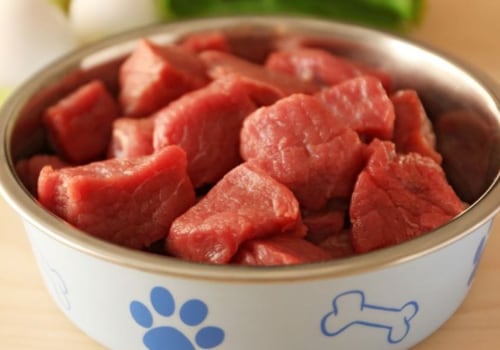
Raw dog food is a dietary approach that emphasizes feeding dogs a diet composed primarily of uncooked ingredients. This method is rooted in the belief that dogs thrive on a diet that closely resembles what their ancestors consumed in the wild. Unlike traditional kibble, which often contains processed ingredients, raw dog food aims to provide a more natural and wholesome alternative.The primary components of raw dog food include:- Raw Meat: The cornerstone of any raw dog food diet, raw meat provides essential proteins and fats that are crucial for a dog's overall health. Common sources include beef, chicken, lamb, and fish.
These meats are typically sourced from high-quality suppliers to ensure they are free from harmful additives.
- Raw Bones: Raw bones are not only a source of calcium and phosphorus but also help maintain dental health by reducing plaque and tartar buildup. It is important to choose bones that are appropriate for your dog's size and chewing ability to prevent choking hazards.
- Fruits: Certain fruits can be beneficial additions to a raw dog food diet. Fruits like blueberries, apples, and bananas provide vitamins, antioxidants, and fiber. They can enhance the nutritional profile of the diet while also serving as tasty treats.
- Vegetables: Vegetables such as carrots, spinach, and broccoli can offer additional nutrients and fiber.
While dogs are primarily carnivorous, incorporating vegetables can help create a more balanced diet.
Benefits of Feeding Your Dog Raw Food
Feeding your dog a raw food diet can lead to numerous health benefits that enhance their overall well-being. Many pet owners have reported significant improvements in various aspects of their dogs' health after transitioning to raw feeding.Improved Digestion
One of the most notable benefits of a raw dog food diet is improved digestion.Raw foods are less processed and contain natural enzymes that aid in breaking down nutrients. This can lead to:
- Smaller, firmer stools: Dogs on a raw diet often produce less waste, as their bodies utilize the nutrients more efficiently.
- Reduced gas and bloating: Many owners notice a decrease in digestive discomfort, leading to happier, more comfortable pets.
Healthier Skin and Coat
A raw diet can also contribute to healthier skin and a shinier coat. The inclusion of high-quality fats and oils from raw meats and fish provides essential fatty acids that promote skin health. Benefits include:- Reduced itching and allergies: Many dogs experience fewer skin irritations when fed a natural diet free from fillers and artificial additives.
- Shinier fur: The natural oils in raw food can lead to a lustrous coat, making your dog look vibrant and healthy.
Increased Energy Levels
Dogs on a raw food diet often exhibit increased energy levels.This boost can be attributed to the high-quality protein sources found in raw meats, which provide the necessary fuel for active lifestyles. Owners frequently report:
- Enhanced stamina: Dogs may become more playful and energetic, enjoying longer walks or play sessions.
- Improved mood: A balanced diet can positively affect your dog's temperament, leading to a happier pet.
Better Dental Health
The act of chewing raw bones can significantly improve your dog's dental health. Chewing helps remove plaque and tartar buildup, leading to:- Fresher breath: A reduction in dental issues often results in better-smelling breath.
- Stronger teeth: The natural abrasion from chewing bones can strengthen teeth and gums.
Types of Raw Dog Food Diets
When it comes to feeding your dog a raw diet, there are primarily two categories to consider: homemade raw dog food and commercially prepared raw dog food.Each option has its own set of advantages and disadvantages, making it essential for pet owners to understand the differences before making a decision.
Homemade Raw Dog Food
Homemade raw dog food diets involve preparing meals from scratch using fresh ingredients. This approach allows pet owners to have complete control over what their dogs consume, ensuring that only high-quality, human-grade ingredients are used. Here are some key points to consider:- Pros:
- Customization: You can tailor the diet to meet your dog's specific health needs, preferences, and any allergies they may have.
- Quality Control: You have the ability to select the freshest ingredients, avoiding any fillers or preservatives commonly found in commercial products.
- Cost-Effective: Depending on your sourcing and preparation methods, homemade diets can sometimes be more economical than store-bought options.
- Cons:
- Nutritional Balance: It can be challenging to ensure that homemade meals provide all the necessary nutrients in the correct proportions. Consulting with a veterinarian or a pet nutritionist is often recommended.
- Time-Consuming: Preparing raw meals from scratch requires significant time and effort, which may not be feasible for all pet owners.
- Food Safety: Handling raw meat carries risks of contamination, so proper food safety practices must be followed.
Commercially Prepared Raw Dog Food
Commercial raw dog food options are pre-packaged meals that are formulated to meet the nutritional needs of dogs.These products are often available in various forms, including frozen patties, freeze-dried options, and refrigerated meals. Here’s what you should know:
- Pros:
- Nutritional Balance: Most commercial raw diets are formulated by veterinarians or pet nutritionists to ensure they meet AAFCO standards for complete and balanced nutrition.
- Convenience: These products save time as they require no preparation; simply thaw or serve as directed.
- Variety: Many brands offer a range of flavors and formulations, allowing you to easily switch up your dog's diet.
- Cons:
- Cost: Commercial raw diets can be more expensive than homemade options, especially if you opt for premium brands.
- Additives: While many brands focus on natural ingredients, some may still include additives or preservatives that some pet owners prefer to avoid.
- Sourcing Concerns: The quality of ingredients can vary significantly between brands, so it’s crucial to research and choose reputable companies.
How to Transition Your Dog to a Raw Diet
Transitioning your dog to a raw diet can be a rewarding journey, but it requires careful planning and patience. A sudden switch from traditional kibble to raw food can upset your dog's digestive system, so a gradual approach is essential.1.Start Slowly
- Begin by introducing small amounts of raw food into your dog's current diet.
For instance, if your dog typically eats one cup of kibble, replace about 10-20% of that with raw food for the first few days.
- Monitor your dog's reaction closely. Look for any signs of digestive upset, such as diarrhea or vomiting. If these occur, slow down the transition process.
2.Gradually Increase Raw Food
- After a week of successful integration, gradually increase the proportion of raw food in your dog's meals. Aim to add an additional 10-20% raw food every few days until you reach a full raw diet.
- During this phase, continue to observe your dog’s health and behavior.
A healthy transition should result in improved energy levels and a shiny coat.
3.Choose the Right Raw Food
- Select high-quality raw dog food that meets your pet's nutritional needs. Look for options that include a variety of meats, organs, and bones to ensure a balanced diet.
- If you are preparing homemade raw meals, consult with a veterinarian or a pet nutritionist to ensure you are providing all necessary nutrients.
4.Monitor Health and Adjust Accordingly
- Keep track of your dog's weight, energy levels, and overall health during the transition. If you notice any adverse effects, consider adjusting the types or amounts of food you are offering.
- Regular vet check-ups can help ensure that your dog is thriving on their new diet and receiving all essential nutrients.
5.Be Patient
Every dog is different; some may adapt quickly to a raw dog food diet while others may take longer. Patience is key during this transition period.
Celebrate small victories and remain committed to providing your dog with the best nutrition possible.
Nutritional Considerations for Raw Dog Food
When considering a raw dog food diet, it is essential to understand the nutritional needs of dogs to ensure they receive a balanced intake of proteins, fats, vitamins, and minerals. Dogs, like humans, require a variety of nutrients to maintain optimal health, and a raw diet can provide these when properly formulated.Proteins
are the building blocks of your dog's body. They are crucial for muscle development, tissue repair, and overall growth. A raw dog food diet should include high-quality protein sources such as:
- Raw meats (beef, chicken, lamb)
- Fish (salmon, sardines)
- Organ meats (liver, kidney)
They provide energy and support healthy skin and coat. Essential fatty acids, particularly omega-3 and omega-6, are important for reducing inflammation and promoting heart health. Good sources of fats in a raw diet include:
- Fish oil
- Flaxseed oil
- Chicken fat
Vitamins and minerals
are also critical components of a balanced raw dog food diet. These nutrients support various bodily functions, including immune response and bone health.
To ensure your dog receives adequate vitamins and minerals, consider incorporating:
- Fruits (blueberries, apples)
- Vegetables (carrots, spinach)
- Supplements (calcium for bone health)
Safety Concerns with Raw Dog Food
Feeding your dog a raw dog food diet can offer numerous health benefits, but it also comes with certain safety concerns that pet owners must be aware of.Understanding these risks is crucial for ensuring the well-being of both your pet and your household.One of the primary concerns associated with raw dog food is the potential for bacterial contamination. Raw meats can harbor harmful bacteria such as Salmonella, E. coli, and Campylobacter. These pathogens can pose serious health risks not only to dogs but also to humans, especially if proper handling and hygiene practices are not followed.
Handling Precautions
To minimize the risk of bacterial contamination, it is essential to adopt safe handling practices:- Wash Your Hands: Always wash your hands thoroughly with soap and water before and after handling raw dog food.
- Use Separate Utensils: Designate specific utensils and cutting boards for preparing raw dog food to avoid cross-contamination with human food.
- Store Properly: Keep raw dog food in the refrigerator or freezer until you are ready to use it.
If thawing, do so in the refrigerator rather than at room temperature.
- Clean Surfaces: Disinfect all surfaces that come into contact with raw dog food, including countertops and bowls, to eliminate any lingering bacteria.
Risks of Feeding Raw Dog Food
In addition to bacterial contamination, there are other risks associated with feeding a raw dog food diet:- Nutritional Imbalance: Without careful planning, a raw diet may lack essential nutrients. It is vital to ensure that the diet is well-balanced and meets your dog's specific nutritional needs.
- Bone Hazards: While bones can be a natural part of a raw diet, they can also pose choking hazards or cause internal injuries if not appropriately selected or prepared.
- Disease Transmission: Dogs that consume raw meat may shed pathogens in their feces, which can be transmitted to humans or other pets. This is particularly concerning for households with young children or immunocompromised individuals.
Popular Raw Dog Food Brands in the UK
When it comes to choosing the best raw dog food brands in the UK, pet owners are often faced with a plethora of options.Each brand offers unique features and benefits that cater to different dietary needs and preferences. Here’s a closer look at some of the most popular raw dog food brands available in the UK.
- ZENOO : Known for its commitment to quality, ZENOO provides 100% human-grade raw meat combined with carefully selected fruits and vegetables. Their meals are designed to promote overall health and vitality in dogs, ensuring that no cheap cuts or by-products are included. ZENOO also offers resealable packaging, making it convenient for storage.
- Bella& Duke : This brand focuses on delivering 100% natural raw dog food directly to your doorstep.
Bella& Duke emphasizes the importance of sourcing high-quality ingredients that support your dog's health. Their meals are crafted to be nutritionally balanced, catering to various life stages and dietary requirements.
- Poppy's Picnic : Poppy's Picnic stands out for its fresh food diet options, which can complement existing meals. They offer a range of raw food products that include raw meat, offal, and bones, along with fruits and vegetables. Their focus on freshness ensures that dogs receive optimal nutrition.
- Wilsons : This brand is recognized for its eco-friendly approach, delivering raw dog food in recyclable trays.
Wilsons provides a variety of raw meals that are free from additives and preservatives, allowing pet owners to feel confident about what they are feeding their dogs.
- Raw Dog Food Company : Specializing in a wide range of raw diets, this company offers both complete meals and individual components like meat and bones. Their products are designed to meet the nutritional needs of dogs at all life stages, ensuring a balanced diet.
Frequently Asked Questions about Raw Dog Food
As more pet owners consider transitioning their dogs to a raw food diet, several questions often arise.Below are some of the most frequently asked questions about raw dog food, addressing common concerns regarding cost, preparation, and specific dietary needs.
What is the cost of raw dog food?
The cost of raw dog food can vary significantly based on the brand, quality of ingredients, and whether you choose to prepare it at home or purchase pre-made meals. Generally, high-quality raw dog food may seem more expensive than traditional kibble, but many owners find that the health benefits—such as improved coat condition, better digestion, and increased energy levels—justify the investment. Additionally, some brands offer subscription services that can help reduce costs over time.How much time does it take to prepare raw dog food?
Preparation time for raw dog food can depend on whether you opt for homemade meals or pre-packaged options. If you choose to prepare meals yourself, you may need to allocate time for sourcing ingredients, chopping vegetables, and portioning out meals.This process can take anywhere from 30 minutes to a few hours each week. On the other hand, many pet owners prefer the convenience of commercially prepared raw diets that require minimal preparation—often just thawing and serving.
Can all dogs eat raw food?
While many dogs thrive on a raw dog food diet, it’s essential to consider individual dietary needs and health conditions. Puppies, pregnant or nursing dogs, and those with specific health issues may require tailored nutrition. Consulting with a veterinarian who understands raw feeding is crucial to ensure your dog's unique needs are met.What about safety concerns with raw feeding?
Safety is a common concern among pet owners considering a raw dog food diet.It’s important to handle raw meat with care to prevent contamination. Always wash your hands and any surfaces that come into contact with raw ingredients. Additionally, while some dogs can tolerate small amounts of bacteria like salmonella, it’s vital to monitor your pet's health closely and consult your vet if any issues arise.In summary, transitioning to a raw dog food diet can be a rewarding experience for both you and your pet. By addressing these common questions and concerns, you can make informed decisions that support your dog's health and well-being.
Conclusion: Is Raw Dog Food Right for Your Pet?
As we conclude our exploration of raw dog food, it’s essential to reflect on the various factors that can influence whether this diet is suitable for your furry friend.The decision to transition to a raw diet should not be taken lightly; it requires careful consideration of your dog's unique health needs, lifestyle, and preferences.One of the primary advantages of raw dog food is its potential to enhance your pet's overall health. Many pet owners report improvements in their dogs' coat condition, energy levels, and digestive health after switching to a raw diet. However, these benefits can vary significantly from one dog to another. Factors such as age, breed, and existing health conditions play a crucial role in determining how well a dog adapts to a raw food regimen.Before making any changes to your dog's diet, it is advisable to consult with a veterinarian who understands the principles of raw feeding.
They can provide personalized guidance based on your dog's specific health profile. Additionally, they can help you navigate any potential risks associated with raw feeding, such as the possibility of bacterial contamination or nutritional imbalances if the diet is not properly managed.Moreover, consider your lifestyle and ability to commit to preparing and sourcing high-quality raw ingredients. While some pet owners enjoy the process of creating homemade meals for their dogs, others may find it time-consuming or challenging. Fortunately, there are many reputable brands that offer commercially prepared raw dog food options that are both convenient and nutritionally balanced.Ultimately, the choice of whether to adopt a raw dog food diet should be based on thorough research and an understanding of your dog's individual needs.
If you decide that raw feeding aligns with your pet's health goals and your lifestyle, take the time to transition gradually and monitor your dog's response closely. This approach will help ensure a smooth transition and allow you to make adjustments as needed.In summary, while raw dog food can offer numerous benefits, it is not a one-size-fits-all solution. By considering your dog's specific requirements and consulting with professionals, you can make an informed decision that supports your pet's health and well-being.