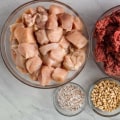
In recent years, the concept of raw puppy food has gained significant traction among dog owners and pet enthusiasts alike. This dietary approach emphasizes the use of unprocessed, natural ingredients, mirroring the ancestral diet of canines before they became domesticated companions. The raw food movement advocates for a diet rich in fresh meats, bones, fruits, and vegetables, arguing that these components are essential for optimal health and well-being in dogs. As more pet owners seek to provide their furry friends with the best possible nutrition, understanding the fundamentals of raw puppy food becomes increasingly important.The benefits of a raw dog food diet are numerous and compelling.
Proponents claim that feeding puppies raw food can lead to improved digestion, healthier skin and coat, increased energy levels, and stronger immune systems. Additionally, many believe that a raw diet can help prevent common health issues associated with commercial kibble, such as obesity and allergies. By providing a diet that is closer to what dogs would naturally consume in the wild, owners may find that their puppies thrive in ways they never thought possible.As we delve deeper into the world of raw puppy food, it is essential to explore not only its benefits but also the practical aspects of implementing such a diet. From understanding the right balance of nutrients to selecting appropriate ingredients, transitioning a puppy to a raw food regimen requires careful consideration and planning.
This section will serve as a foundation for pet owners looking to make informed decisions about their puppy's nutrition and overall health.
What is Raw Dog Food?
Raw dog food
refers to a diet that consists primarily of uncooked ingredients, mimicking the natural diet of wild canines. This approach emphasizes the consumption of fresh, whole foods, which proponents believe can lead to improved health and vitality in dogs. The core components of raw dog food typically include raw meat, bones, fruits, and vegetables.One of the main advantages of raw dog food is its potential to provide a more balanced and nutrient-rich diet compared to traditional kibble. Many commercial dog foods undergo high-temperature processing, which can destroy essential nutrients.
In contrast, raw diets aim to preserve these nutrients, offering dogs a more biologically appropriate source of sustenance.
Types of Raw Dog Food
There are several types of raw dog food diets available, each catering to different preferences and lifestyles:- BARF Diet (Biologically Appropriate Raw Food) : This popular method focuses on a combination of raw meat, bones, organ meats, fruits, and vegetables. The idea is to replicate the natural diet of dogs as closely as possible.
- Prey Model Diet : This approach mimics the eating habits of wild animals by providing whole prey or large cuts of meat along with bones and organs. It emphasizes feeding dogs as they would eat in the wild.
- Commercial Raw Diets : These are pre-packaged raw food options available in pet stores or online. They often come frozen or freeze-dried and are formulated to meet specific nutritional standards.
- Homemade Raw Diets : Some pet owners choose to prepare their dog's meals at home using fresh ingredients.
This allows for complete control over the diet but requires careful planning to ensure nutritional balance.
Raw Dog Food Ingredients
The ingredients in raw dog food can vary widely depending on the chosen diet type. However, a well-rounded raw dog food should include:- Muscle Meat : This should make up a significant portion of the diet, providing essential proteins.
- Organ Meats : These are rich in vitamins and minerals and should be included in smaller amounts.
- Bones : Raw bones provide calcium and phosphorus, crucial for bone health. They also help maintain dental hygiene.
- Fruits and Vegetables : These add fiber, vitamins, and antioxidants to the diet. Common choices include carrots, apples, and leafy greens.
Each dog is unique, so adjustments may be necessary based on individual health needs and preferences.
The Benefits of Feeding Raw Puppy Food
Feeding your puppy a raw diet can offer a multitude of health benefits that contribute to their overall well-being. One of the most significant advantages is improved digestion. Raw puppy food is typically easier for dogs to digest compared to processed kibble, as it contains natural enzymes and nutrients that are often lost during cooking. This can lead to less gastrointestinal upset, firmer stools, and a reduction in flatulence.Another notable benefit of a raw diet is healthier skin and coat.Puppies fed a raw food diet often exhibit a shinier, more vibrant coat due to the high levels of essential fatty acids found in raw meats and fish. These fatty acids help maintain skin hydration and elasticity, reducing the likelihood of skin irritations and allergies.Moreover, a raw diet can enhance your puppy's immune function. The natural ingredients in raw dog food, such as fresh meats, bones, and vegetables, provide vital nutrients that support a robust immune system. This is particularly important during the early stages of life when puppies are still developing their immune responses.
A strong immune system can help protect against common illnesses and infections.Additionally, feeding raw puppy food can promote healthy dental hygiene. Chewing on raw meaty bones helps to naturally clean teeth and gums, reducing plaque buildup and preventing dental diseases. This not only contributes to better oral health but also encourages healthy chewing habits.Lastly, many pet owners report that puppies on a raw diet exhibit increased energy levels and vitality. The high protein content in raw foods supports muscle development and overall growth, allowing puppies to thrive during their formative months.In summary, the benefits of feeding your puppy a raw diet are numerous and impactful.
From improved digestion and healthier skin to enhanced immune function and dental health, transitioning to raw puppy food can be a positive step towards ensuring your furry friend leads a long, healthy life.
Nutritional Requirements for Puppies on a Raw Diet
When it comes to raising a healthy puppy, understanding their nutritional needs is paramount. Puppies are in a critical growth phase, requiring a diet that supports their rapid development. A raw diet can be an excellent option for meeting these specific needs, provided it is balanced correctly.One of the most crucial aspects of a raw puppy diet is the balance of calcium and phosphorus. These minerals play a vital role in skeletal development, ensuring that bones grow strong and healthy.Puppies require higher levels of calcium compared to adult dogs, as their growing bodies need this mineral to support the formation of bones and teeth. The ideal ratio of calcium to phosphorus in a puppy's diet should be approximately 1.2:1 to 1.4:1.This balance helps prevent developmental issues such as hip dysplasia and other skeletal disorders.To achieve this balance in a raw diet, it is essential to include a variety of protein sources. Muscle meat should constitute about 35% to 50% of the total diet, while raw meaty bones contribute significantly to calcium intake. Organ meats, such as liver and kidneys, are also vital as they provide essential vitamins and minerals that support overall health.
- Muscle Meat: Provides protein necessary for growth and energy.
- Raw Meaty Bones: Essential for calcium and phosphorus; also aids in dental health.
- Organ Meats: Rich in vitamins A, D, E, and B-complex vitamins.
While dogs are primarily carnivorous, certain vegetables can provide fiber and additional nutrients. However, it’s important to introduce them gradually to avoid digestive upset.When transitioning your puppy to a raw diet, start with one protein source for about a week before introducing new proteins. This gradual approach allows you to monitor your puppy's reaction and adjust accordingly. If your puppy shows signs of digestive distress, it may be necessary to reevaluate the ingredients or proportions used in their meals.A well-balanced raw puppy food not only supports physical growth but also contributes to a robust immune system.
Puppies fed a raw diet often exhibit improved vitality and resilience against common ailments. As you embark on this journey of feeding your puppy raw food, remember that each dog is unique; adjustments may be necessary based on their individual needs and responses.
How to Transition Your Puppy to a Raw Diet
Transitioning your puppy to a raw diet can be a rewarding experience, but it requires careful planning and attention to detail. The goal is to make the switch as smooth as possible while ensuring your puppy's health and well-being. Here are some practical steps to guide you through the process.1.Start Gradually
Begin by introducing raw food slowly into your puppy's diet.
A sudden change can lead to digestive upset, so it's best to start with a small amount of raw food mixed with their current kibble. Aim for a ratio of about 75% kibble to 25% raw food for the first few days.
2.Choose the Right Proteins
When selecting proteins, start with a single source that is easy for your puppy to digest, such as chicken or turkey. Monitor your puppy for any signs of allergies or digestive issues, such as diarrhea or vomiting. If all goes well after a week, you can gradually introduce another protein source.
3.Monitor Digestive Health
Keep a close eye on your puppy's stool and overall behavior during the transition.
Healthy stools should be firm and well-formed. If you notice any changes, such as loose stools or excessive gas, consider reducing the amount of raw food and reintroducing it more slowly.
4.Incorporate Variety
Once your puppy has adjusted to one protein source, you can start adding variety to their diet. Include different types of meat, organ meats, and bones to ensure a balanced intake of nutrients. Aim for muscle meat to make up 35% to 50% of their diet, along with 10% to 25% organ meats.
5.Be Patient
Every puppy is unique, and some may take longer than others to adjust to a raw diet.
Be patient and allow your puppy time to adapt. If they seem hesitant or refuse to eat the new food, try warming it slightly or mixing in some bone broth to enhance the flavor.
6.Consult Your Veterinarian
Before making any significant changes to your puppy's diet, it's wise to consult with your veterinarian, especially if your puppy has any pre-existing health conditions. They can provide personalized advice and help you create a balanced meal plan tailored to your puppy's needs.By following these steps and being attentive to your puppy's reactions, you can successfully transition them to a raw diet that supports their growth and health.
Common Concerns About Raw Puppy Food
When considering a raw puppy food diet, many pet owners express valid concerns regarding safety, particularly about the presence of bacteria. It’s essential to understand that while raw food can pose certain risks, these can be effectively managed with proper handling and preparation techniques.Understanding Bacteria in Raw Dog Food
Raw meat, by its nature, can harbor bacteria such as Salmonella and E.
coli
. These pathogens are not exclusive to raw dog food; they can also be found in raw meat intended for human consumption. The key difference lies in how we handle and prepare these foods. Puppies, like humans, have immune systems that are still developing, making them more susceptible to infections.However, with careful management, the risks can be minimized.
Safe Handling Practices
- Wash Your Hands: Always wash your hands thoroughly with soap and water before and after handling raw ingredients.
- Clean Surfaces: Ensure that all surfaces and utensils used for preparing raw food are sanitized to prevent cross-contamination.
- Store Properly: Keep raw ingredients refrigerated or frozen until you are ready to use them. Thawing should be done in the refrigerator rather than at room temperature.
- Avoid Cross-Contamination: Use separate cutting boards for raw meat and other foods to avoid spreading bacteria.
Introducing Raw Food Gradually
When transitioning your puppy to a raw diet, it’s advisable to introduce new proteins gradually. Start with one protein source for about a week before adding another. This approach not only helps monitor your puppy’s digestive response but also allows their gut flora to adapt to the new diet.
The Role of Microbes
Interestingly, exposure to certain microbes can actually benefit your puppy's immune system.
Puppies are naturally exposed to various bacteria in their environment, which helps build their immunity. Studies suggest that puppies fed a raw diet may develop stronger immune systems compared to those on processed diets. This is partly due to the natural enzymes and nutrients present in raw foods that support overall health.
Consulting Your Veterinarian
If you have concerns about feeding your puppy raw food, it’s always best to consult with a veterinarian who is knowledgeable about raw diets. They can provide personalized advice based on your puppy's health status and nutritional needs.In conclusion, while there are legitimate concerns regarding the safety of raw dog food, understanding how to handle it properly can significantly reduce risks.
With careful preparation and gradual introduction, many pet owners find that a raw diet can lead to healthier, happier puppies.
Commercially Available Raw Puppy Food Options
When considering a raw puppy food diet, many pet owners opt for commercially available raw puppy food options due to their convenience and balanced formulations. These products are designed to meet the specific nutritional needs of growing puppies while ensuring safety and quality. Here’s a closer look at some reputable brands and what to consider when purchasing pre-made raw diets.Reputable Brands
- Stella & Chewy's: Known for their high-quality ingredients, Stella & Chewy's offers a variety of raw puppy food options that include freeze-dried and frozen formulas. Their recipes often feature grass-fed meats and organic fruits and vegetables.
- Primal Pet Foods: Primal provides a range of raw diets that are made with ethically sourced ingredients.
Their products are available in both frozen and freeze-dried forms, making them easy to store and serve.
- Instinct Raw: This brand focuses on a minimally processed approach, offering raw dog food that is high in protein and free from grains. Instinct Raw is available in various protein sources, allowing for dietary variety.
- Nutriment: A UK-based brand that has gained popularity in the U. S., Nutriment offers a range of raw puppy food options that are formulated to support healthy growth and development.
What to Look For
When selecting a raw dog food product for your puppy, consider the following factors:- Nutritional Balance: Ensure the product meets AAFCO (Association of American Feed Control Officials) standards for puppy growth. This guarantees that the food contains the necessary nutrients for your puppy's development.
- Ingredient Quality: Look for brands that use high-quality, whole-food ingredients.
Avoid products with fillers, artificial preservatives, or by-products.
- Protein Sources: A good raw puppy food should contain a variety of protein sources, including muscle meat, organ meat, and bones. This diversity helps provide essential amino acids and nutrients.
- Feeding Guidelines: Check the feeding guidelines provided by the manufacturer to ensure you are giving your puppy the appropriate amount based on their weight and age.
The BARF Diet: Bones and Raw Food Explained
The Bones and Raw Food (BARF) diet is a popular feeding method that emphasizes the consumption of raw meat, bones, fruits, and vegetables for dogs. This approach is rooted in the belief that a diet mimicking what canines would naturally consume in the wild can lead to better health outcomes.The BARF diet is not just about feeding raw meat; it encompasses a holistic view of canine nutrition.One of the primary principles of the BARF diet is to provide a balanced mix of ingredients that contribute to a dog's overall well-being. This includes:
- Muscle Meat: Typically makes up 70% of the diet, providing essential proteins and amino acids.
- Raw Meaty Bones: These are crucial for dental health and provide calcium and phosphorus, which are vital for bone development.
- Organ Meats: Rich in vitamins and minerals, organ meats like liver and kidneys should comprise about 10% of the diet.
- Fruits and Vegetables: These add fiber, antioxidants, and additional nutrients that support digestion and overall health.
- Improved Digestion: Raw food is easier for dogs to digest compared to processed kibble, leading to better nutrient absorption.
- Healthier Skin and Coat: The natural fats found in raw diets can enhance skin health and promote a shiny coat.
- Stronger Immune System: A diet rich in natural ingredients can help boost a puppy's immune system, making them less susceptible to illnesses.
- Better Dental Health: Chewing on raw bones helps reduce plaque buildup and promotes healthier gums.
Consulting with a veterinarian or a pet nutritionist can provide valuable guidance in creating an appropriate BARF meal plan tailored to your puppy's specific needs.
Conclusion: Is Raw Puppy Food Right for Your Dog?
As we conclude our exploration of raw puppy food, it’s essential to reflect on the various factors that can influence whether this diet is suitable for your dog. The decision to transition your puppy to a raw food diet should be made with careful consideration of their individual health needs, lifestyle, and your ability to commit to this feeding regimen.One of the primary advantages of raw puppy food is its potential to provide a diet that closely resembles what dogs would eat in the wild. This natural approach can lead to improved digestion, healthier skin and coat, and increased energy levels. However, it’s crucial to recognize that not all puppies will thrive on a raw diet.Factors such as age, breed, and existing health conditions play a significant role in determining the appropriateness of this feeding method.
Key Considerations:
- Health Status: Puppies with specific health issues, such as renal or hepatic impairments, may not be suitable candidates for a high-protein raw diet. Always consult with your veterinarian before making any dietary changes.
- Digestive Sensitivity: Some puppies may have sensitive stomachs or digestive issues that could be exacerbated by the introduction of raw foods. Monitor your puppy closely for any signs of discomfort or digestive upset.
- Time and Commitment: Preparing raw meals requires time and effort. Ensure you are ready to commit to sourcing quality ingredients and maintaining a balanced diet for your puppy.
- Balanced Nutrition: Achieving a well-rounded diet is crucial.
While raw diets can be beneficial, they must include a variety of proteins, organ meats, and bones to ensure all nutritional needs are met.
Consulting with a veterinarian who understands raw diets can provide valuable insights tailored to your puppy's specific requirements.