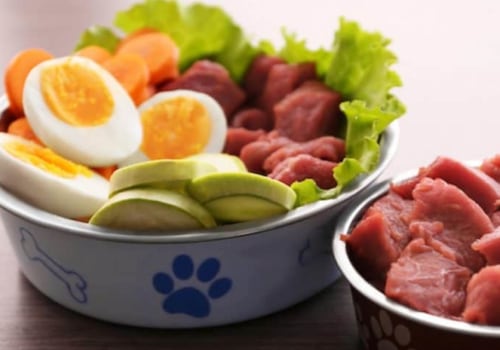
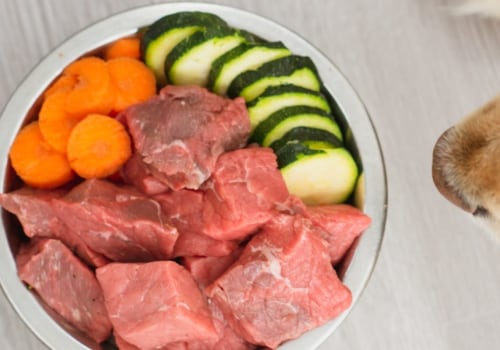
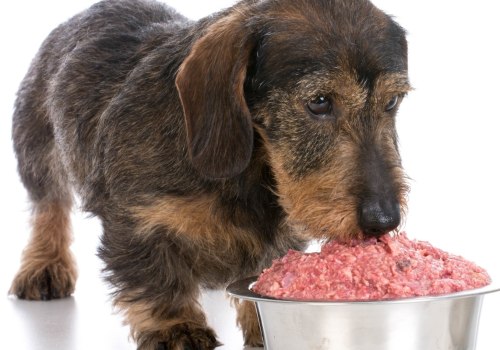
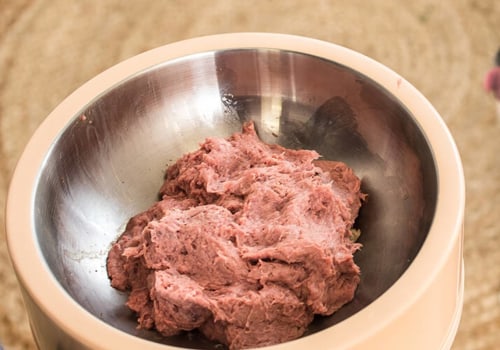
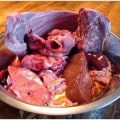
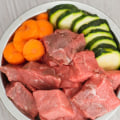
In recent years, the concept of raw dog food has gained significant traction among pet owners who are increasingly concerned about their dogs' health and nutrition. This diet, which consists primarily of uncooked meat, bones, fruits, and vegetables, is believed to mimic the natural eating habits of dogs' wild ancestors. Advocates of the raw dog food diet argue that it can lead to improved digestion, healthier skin and coat, increased energy levels, and even better dental health. However, while the benefits are enticing, understanding how to properly store raw dog food is crucial to ensure its safety and effectiveness.One of the primary reasons pet owners are drawn to a raw dog food diet is the potential for enhanced overall health.
Many believe that feeding their dogs a diet rich in natural ingredients can help prevent common health issues such as obesity, allergies, and digestive problems. Additionally, proponents claim that raw diets can lead to shinier coats and fresher breath. However, these benefits can only be realized if the food is stored correctly to prevent spoilage and contamination.Proper storage of raw dog food is essential not only for maintaining its nutritional value but also for safeguarding your pet's health. Raw ingredients are particularly susceptible to bacterial growth, which can pose serious risks if ingested.
Therefore, understanding the best practices for storing raw dog food—such as keeping it at appropriate temperatures and using airtight containers—can make a significant difference in your dog's well-being. As you delve deeper into the world of raw dog food, you'll discover that knowledge about storage methods is just as important as the ingredients themselves.
Why Proper Storage of Raw Dog Food is Essential
Storing raw dog food properly is crucial for maintaining your pet's health and well-being. Just like humans, dogs can suffer from foodborne illnesses caused by bacteria that thrive in improperly stored food. Understanding the importance of proper storage can help prevent these risks and ensure that your furry friend receives safe and nutritious meals.One of the primary concerns with raw dog food is the potential for bacterial contamination.Raw meats, poultry, and fish can harbor harmful bacteria such as Salmonella, E. coli, and Listeria. If these pathogens are allowed to multiply due to improper storage conditions, they can lead to serious health issues for your dog. Symptoms of foodborne illness in dogs may include vomiting, diarrhea, lethargy, and in severe cases, can even be life-threatening.Additionally, raw dog food is prone to spoilage if not stored correctly.
Spoiled food not only loses its nutritional value but can also produce toxins that are harmful to your pet. Signs of spoilage include an off smell, discoloration, or a slimy texture. If you notice any of these signs, it’s best to discard the food immediately.To mitigate these risks, it is essential to follow safe storage practices:
- Refrigeration: Always store raw dog food in the refrigerator at temperatures below 40°F (4°C). This slows down bacterial growth and keeps the food fresh.
- Freezing: If you’re not planning to use the raw dog food within a few days, consider freezing it.
Freezing halts bacterial growth and preserves the food for an extended period.
- Sealed Containers: Use airtight containers to store raw dog food. This prevents cross-contamination with other foods and keeps odors contained.
- Separate Storage: Keep raw dog food separate from other foods in your refrigerator to avoid cross-contamination. Designate a specific shelf or area for pet food.
Best Practices for Storing Raw Dog Food
Storing raw dog food properly is crucial for maintaining its nutritional value and ensuring your pet's health.Here are some best practices to follow:
- Temperature Control: Always store raw dog food in the refrigerator or freezer. The ideal temperature for refrigerated raw dog food is between 32°F and 40°F (0°C to 4°C). If you’re storing it in the freezer, aim for 0°F (-18°C) or lower. This helps prevent the growth of harmful bacteria.
- Use Airtight Containers: Invest in high-quality, airtight containers to store raw dog food.
This prevents exposure to air, which can lead to spoilage and loss of nutrients. Glass or BPA-free plastic containers are excellent choices as they are easy to clean and do not retain odors.
- Labeling: Always label your containers with the date of storage. This practice helps you keep track of freshness and ensures that you use older food first, minimizing waste.
- Portion Control: Consider dividing raw dog food into meal-sized portions before freezing. This makes it easier to thaw only what you need for each feeding, reducing the risk of refreezing and maintaining quality.
- Keep It Separate: Store raw dog food away from other foods, especially human food, to avoid cross-contamination.
Designate a specific shelf in your refrigerator or freezer for pet food.
- Thawing Safely: When thawing frozen raw dog food, do so in the refrigerator rather than at room temperature. This prevents bacteria from multiplying during the thawing process. If you need to thaw quickly, use a microwave but ensure that the food is cooked immediately afterward.
Refrigeration Guidelines for Raw Dog Food
When it comes to storing raw dog food, proper refrigeration is crucial to ensure the safety and quality of the food.Here are some essential guidelines to follow:
Optimal Refrigerator Temperature
The ideal temperature for storing raw dog food in the refrigerator is between 32°F and 40°F (0°C to 4°C). Keeping your fridge at this temperature range helps inhibit the growth of harmful bacteria that can thrive in warmer conditions. It’s advisable to use a refrigerator thermometer to monitor the temperature accurately.Storage Duration
Raw dog food can typically be stored in the refrigerator for up to 3 to 5 days. However, this duration can vary based on the type of meat and other ingredients used.Always check for any signs of spoilage, such as an off smell or discoloration, before feeding it to your dog. If you’re unsure, it’s better to err on the side of caution and discard any questionable food.
Proper Storage Techniques
- Use Airtight Containers: Store raw dog food in airtight containers or resealable bags to prevent exposure to air, which can lead to spoilage.
- Label and Date: Always label your containers with the date of storage. This practice helps you keep track of how long the food has been in the fridge.
- Avoid Cross-Contamination: Keep raw dog food separate from other foods in your refrigerator. Use designated shelves or bins for raw pet food to minimize the risk of cross-contamination.
Raw dog food can be safely frozen for up to 6 months , allowing you to maintain its freshness and nutritional value. When ready to use, thaw it in the refrigerator rather than at room temperature to prevent bacterial growth.By following these refrigeration guidelines, you can ensure that your dog's raw diet remains safe and nutritious, contributing positively to their overall health and well-being.
Freezing Raw Dog Food: What You Need to Know
Freezing raw dog food is an effective way to preserve its freshness and nutritional value, ensuring that your furry friend receives the best possible diet. However, it’s essential to follow specific guidelines to maintain the quality and safety of the food.How to Freeze Raw Dog Food
- Choose the Right Containers: Use airtight containers or heavy-duty freezer bags to prevent freezer burn and contamination. Make sure to label each container with the date and contents for easy identification.
- Portion Control: Divide the raw dog food into meal-sized portions before freezing.
This not only makes it easier to thaw only what you need but also helps maintain the food's quality by minimizing exposure to air.
- Cool Before Freezing: If you’ve prepared homemade raw dog food, allow it to cool completely before placing it in the freezer. This helps prevent ice crystals from forming, which can affect texture and quality.
- Freeze Quickly: Place the containers in the coldest part of your freezer to freeze them quickly. Rapid freezing helps preserve the food's nutrients and prevents large ice crystals from forming.
Thawing Frozen Raw Dog Food
When it comes time to serve your dog, proper thawing is crucial:
- Refrigerator Thawing: The safest method is to transfer the frozen raw dog food from the freezer to the refrigerator. This allows for a slow thaw, keeping the food at a safe temperature and reducing bacterial growth.
- Cold Water Thawing: If you need to thaw the food more quickly, place the sealed container in a bowl of cold water.
Change the water every 30 minutes until thawed. Never use hot water, as this can promote bacterial growth.
- Avoid Microwave Thawing: While it may be tempting to use a microwave for quick thawing, this method can create hot spots that may partially cook the food, compromising its safety and nutritional value.
Refreezing Raw Dog Food
If you’ve thawed raw dog food but haven’t used it all, you might wonder if you can refreeze it. Generally, it’s safe to refreeze raw dog food that has been thawed in the refrigerator, as long as it hasn’t been left out at room temperature for more than two hours. However, repeated freezing and thawing can degrade the quality of the food, so it's best to avoid this practice when possible.By following these guidelines for freezing and thawing raw dog food, you can ensure that your pet enjoys fresh, nutritious meals while minimizing waste and maintaining safety.
Avoiding Cross-Contamination in Raw Dog Food Storage
When it comes to storing raw dog food, preventing cross-contamination is crucial for the health and safety of your pet.Cross-contamination occurs when harmful bacteria from raw food come into contact with other foods or surfaces, potentially leading to foodborne illnesses. Here are some essential practices to ensure safe handling and storage of raw dog food.
- Designate a Specific Area: Create a dedicated space in your kitchen for preparing and storing raw dog food. This area should be separate from where you handle human food to minimize the risk of contamination.
- Use Separate Utensils: Always use separate cutting boards, knives, and bowls for raw dog food. This prevents any juices or particles from raw meat from contaminating utensils used for other foods.
- Seal Properly: Store raw dog food in airtight containers to prevent leakage and contamination.
Use containers that are specifically designed for food storage, ensuring they are clean and dry before use.
- Label and Date: Clearly label all containers with the type of food and the date it was prepared or purchased. This helps you keep track of freshness and ensures that older items are used first.
- Keep It Cold: Raw dog food should be stored in the refrigerator at temperatures below 40°F (4°C). If you’re not using it within a few days, consider freezing it to maintain its quality and safety.
- Thaw Safely: If you need to thaw frozen raw dog food, do so in the refrigerator rather than at room temperature. This prevents bacteria from multiplying as the food warms up.
- Clean Thoroughly: After handling raw dog food, wash your hands, utensils, and surfaces with hot, soapy water.
Consider using a disinfectant on surfaces to eliminate any lingering bacteria.
Signs of Spoilage in Raw Dog Food
When it comes to feeding your dog raw food, ensuring its freshness is crucial for your pet's health. Spoiled raw dog food can lead to serious health issues, including food poisoning. Here are some key signs of spoilage to watch for:- Unpleasant Odor: Fresh raw dog food should have a mild, meaty smell.
If you detect a strong, sour, or rancid odor, it’s a clear indication that the food has spoiled.
- Discoloration: Raw meat should have a vibrant color. If you notice any grayish or greenish hues, this could signify bacterial growth or spoilage.
- Texture Changes: Fresh raw dog food should feel moist but not slimy. A slimy texture is often a sign of bacterial contamination.
- Mold Growth: Any visible mold on the surface of the food is a definite sign that it should be discarded immediately.
- Expiration Date: Always check the expiration date on the packaging. If the date has passed, do not feed it to your dog.
Even if the food appears fine, if it has been in the refrigerator for more than a few days after opening, it’s safer to err on the side of caution and dispose of it.
How to Tell if Raw Dog Food is Bad
If you're unsure about the freshness of your dog's raw food, trust your instincts. When in doubt, throw it out. Feeding spoiled food can lead to gastrointestinal issues in dogs, including vomiting and diarrhea.
Preventing Spoilage
To minimize the risk of spoilage, always store raw dog food in airtight containers and keep it in the coldest part of your refrigerator. Additionally, consider freezing portions that you won’t use within a few days to maintain their freshness.By being vigilant about these signs and taking proper storage precautions, you can help ensure that your furry friend enjoys safe and nutritious meals every time.
Frequently Asked Questions About Raw Dog Food Storage
When transitioning to a raw dog food diet, many pet owners have questions about how to properly store this type of food to ensure its safety and freshness.Here are some frequently asked questions regarding the storage of raw dog food:
- How should I store raw dog food?
Raw dog food should be stored in the refrigerator or freezer, depending on when you plan to use it. If you intend to use it within a few days, keep it in the refrigerator at temperatures below 40°F (4°C). For longer storage, freeze the food in airtight containers or vacuum-sealed bags to prevent freezer burn and maintain quality. - Can I store raw dog food in its original packaging?
While some original packaging may be suitable for short-term storage, it is best to transfer raw dog food into airtight containers. This helps prevent contamination and keeps the food fresher for longer. - How long can I keep raw dog food in the fridge?
Generally, raw dog food can be stored in the refrigerator for up to 3 days.After this period, harmful bacteria may begin to grow, making it unsafe for your pet. Always check for any signs of spoilage before feeding.
- Is it safe to thaw raw dog food at room temperature?
No, thawing raw dog food at room temperature is not recommended as it can promote bacterial growth. Instead, thaw the food in the refrigerator overnight or use a microwave on a defrost setting if you need it quickly. - What should I do if my dog doesn’t finish their meal?
If your dog leaves uneaten raw food, discard it after 30 minutes to prevent bacterial growth. You can also refrigerate any leftovers immediately and serve them within 24 hours.
Always prioritize cleanliness and safety when handling raw foods to minimize health risks for both you and your furry friend.
Conclusion: Ensuring Safe Storage for Your Pet's Health
In conclusion, the safe storage of raw dog food is paramount for ensuring the health and well-being of your furry companions. By adhering to proper storage practices, you can significantly reduce the risk of foodborne illnesses that can affect both pets and humans alike.To recap, here are the essential guidelines for storing raw dog food:- Separate Storage: Always store raw dog food separately from cooked foods and other items in your refrigerator. This prevents cross-contamination and minimizes the risk of harmful bacteria spreading.
- Use Sealed Containers: Keep raw dog food in airtight containers or tightly wrapped to avoid exposure to air and moisture, which can lead to spoilage.
- Bottom Shelf Placement: Place raw meats on the bottom shelf of your refrigerator. This ensures that any drips or leaks do not contaminate other foods stored above.
- Temperature Control: Maintain your refrigerator at a safe temperature, ideally below 40°F (4°C), to inhibit bacterial growth.
Regularly check your fridge's temperature settings to ensure they are optimal.
- Thawing Practices: When thawing raw dog food, do so in the refrigerator rather than at room temperature. This helps keep the food at a safe temperature and reduces the risk of bacterial growth.
- Expiration Dates: Always check expiration dates on raw dog food packaging. Discard any items that have passed their expiration date to prevent feeding your pet spoiled food.
A well-fed pet is a happy pet, and ensuring their meals are safe is a crucial part of responsible pet ownership.Ultimately, being diligent about how you store raw dog food will lead to better nutrition for your pet and peace of mind for you as a pet owner. Make these practices a routine part of your pet care regimen, and you'll be rewarded with a healthier, more vibrant companion.