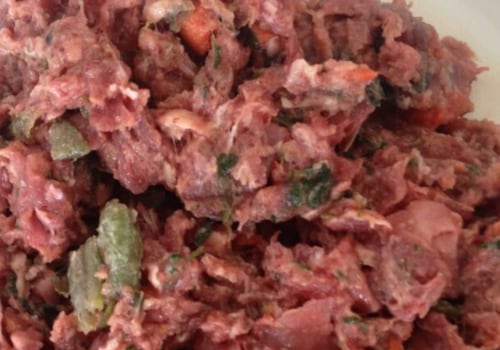
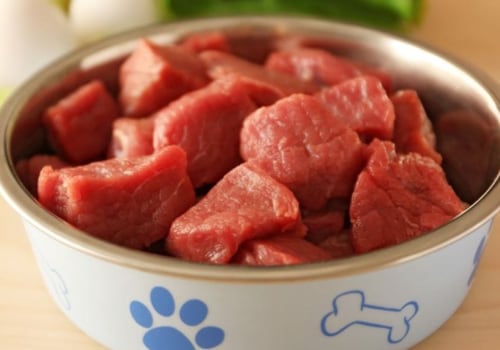
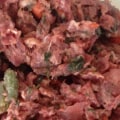
Raw dog food is a dietary approach that emphasizes feeding dogs uncooked, unprocessed ingredients, primarily consisting of raw meat, bones, and certain vegetables. This method is rooted in the belief that a diet closer to what dogs would naturally consume in the wild can lead to improved health and vitality. Proponents of raw dog food argue that it mirrors the ancestral diet of canines, which was rich in protein and nutrients, devoid of the fillers and preservatives often found in commercial pet foods.One of the primary benefits attributed to raw dog food is its potential to enhance overall health. Supporters claim that dogs on a raw diet often exhibit increased energy levels, healthier skin and coats, and improved dental health due to the natural chewing of bones.
Additionally, many pet owners report smaller, firmer stools, which can be an indicator of better digestion and nutrient absorption. The nutrient density of raw ingredients is believed to provide dogs with essential vitamins and minerals that are sometimes lost during the cooking process of traditional pet foods.However, transitioning to a raw dog food diet requires careful consideration and planning. It is crucial for pet owners to ensure that their dogs receive a balanced mix of proteins, fats, vitamins, and minerals. This often includes not just muscle meat but also organ meats and bones, as well as some plant-based ingredients for fiber.
Understanding the specific nutritional needs of your dog based on their age, size, and health status is vital for successfully implementing this diet.As we delve deeper into the world of raw dog food, we will explore its numerous benefits, potential risks, and practical tips for making the switch. Whether you are considering this dietary change for your furry friend or simply curious about its implications, understanding raw dog food is an essential step towards making informed decisions about your pet's nutrition.
The Nutritional Benefits of Raw Dog Food
Feeding your dog a raw diet can offer a multitude of nutritional benefits that contribute to their overall health and well-being. One of the most significant advantages is the enhanced energy levels observed in dogs consuming raw dog food. This increase in vitality can be attributed to the high-quality proteins and essential nutrients found in raw meats, which are more bioavailable than those in processed foods.Another notable benefit of a raw diet is the improvement in skin and coat health.Raw dog food typically includes fatty acids, such as omega-3 and omega-6, which are crucial for maintaining a shiny, healthy coat. These fatty acids help reduce inflammation and can alleviate skin conditions, leading to less itching and irritation. Many pet owners report that their dogs experience fewer allergies and skin issues after switching to a raw diet.In addition to energy and skin health, raw dog food can also promote better dental health. Chewing on raw bones helps to naturally clean teeth and gums, reducing plaque buildup and preventing periodontal disease.
The mechanical action of gnawing on bones can also strengthen jaw muscles, contributing to overall oral health.Moreover, raw diets are often rich in essential vitamins and minerals that support various bodily functions. For instance, organ meats are packed with nutrients like vitamin A, B vitamins, iron, and zinc, which are vital for maintaining a robust immune system. Additionally, the inclusion of fresh vegetables can provide antioxidants that combat oxidative stress and promote longevity.It’s important to note that while the benefits of raw dog food are compelling, it is crucial to ensure that the diet is well-balanced. A complete raw diet should include a variety of protein sources, organ meats, bones, and even some plant-based ingredients to meet all of your dog's nutritional needs.
Consulting with a veterinarian or a pet nutritionist can help you formulate an appropriate raw feeding plan tailored to your dog's specific requirements.In summary, transitioning your dog to a raw food diet can lead to improved energy levels, healthier skin and coat, better dental hygiene, and enhanced overall health. By providing your pet with high-quality raw ingredients, you are investing in their long-term well-being.
Potential Health Risks Associated with Raw Dog Food
While many pet owners advocate for the benefits of a raw dog food diet, it is crucial to consider the potential health risks associated with feeding dogs raw food. One of the primary concerns is the presence of harmful bacteria, such as Salmonella and Listeria monocytogenes , which can pose serious health threats to both pets and their human companions.Research has shown that raw pet food can be contaminated with these pathogens, leading to gastrointestinal issues in dogs and even more severe consequences for humans who may come into contact with contaminated surfaces or feces. The Centers for Disease Control and Prevention (CDC) has reported numerous cases of Salmonella infections linked to raw pet food, emphasizing the importance of safe handling practices.Understanding Bacterial Contamination
Bacteria are naturally present in raw meat; however, not all bacteria are harmful.Some bacteria can be beneficial for gut health, but pathogenic strains can lead to serious illness. Symptoms of bacterial infections in dogs may include:
- Vomiting
- Diarrhea
- Lethargy
- Loss of appetite
- Fever
Mitigating Health Risks
To minimize the risks associated with a raw dog food diet, consider the following safety measures:- Purchase from Reputable Sources: Always buy raw dog food from trusted brands that adhere to strict safety standards and conduct regular testing for pathogens.
- Practice Safe Handling: Wash your hands thoroughly before and after handling raw food. Use separate utensils and cutting boards for pet food to avoid cross-contamination.
- Store Properly: Keep raw dog food frozen until ready to use, and thaw it in the refrigerator rather than at room temperature to prevent bacterial growth.
- Monitor Your Dog's Health: Regular veterinary check-ups can help identify any health issues early on, allowing for timely intervention if your dog shows signs of illness.
How to Transition Your Dog to a Raw Diet
Transitioning your dog to a raw diet can be a rewarding journey, but it requires careful planning and patience.A sudden switch from a traditional diet to raw food can lead to digestive upset, so it’s essential to approach this change gradually.
1.Start Slow
- Begin by introducing small amounts of raw food into your dog’s current diet. For instance, you might start with 10% raw food mixed with 90% of their regular kibble.
- Over the course of 7 to 10 days, gradually increase the proportion of raw food while decreasing the kibble. This slow transition helps your dog’s digestive system adjust to the new diet.
2.Monitor Your Dog’s Health
- Keep an eye on your dog’s stool consistency and overall behavior during the transition. Healthy stools should be firm and well-formed.
- If you notice any signs of digestive distress, such as diarrhea or vomiting, consider slowing down the transition process.
3.Choose Quality Ingredients
- Select high-quality raw ingredients that are appropriate for your dog’s age, size, and health needs.
This includes muscle meat, organs, and bones.
- Consult with a veterinarian or a pet nutritionist to ensure that you are providing a balanced diet that meets all of your dog’s nutritional requirements.
4.Incorporate Variety
- Dogs thrive on variety, so include different protein sources such as chicken, beef, lamb, and fish in their diet. This not only keeps meals interesting but also ensures a broader range of nutrients.
- You can also add small amounts of vegetables or fruits that are safe for dogs, like carrots or blueberries, to enhance their diet.
5.Be Patient and Consistent
- Every dog is unique; some may adapt quickly to a raw dog food diet while others may take longer. Stay consistent with your approach and be patient as your dog adjusts.
- If you encounter challenges during the transition, don’t hesitate to seek advice from professionals who specialize in canine nutrition.
Homemade vs. Commercial Raw Dog Food: Which is Better?
When it comes to feeding your dog a raw diet, pet owners often find themselves at a crossroads: should they opt for homemade raw dog food or choose from the myriad of commercial raw dog food brands available on the market? Each option has its own set of advantages and disadvantages, making it essential to weigh them carefully before making a decision.Homemade Raw Dog Food
Preparing homemade raw dog food allows pet owners to have complete control over the ingredients used.This can be particularly beneficial for dogs with specific dietary needs or allergies. By sourcing high-quality meats, organs, and vegetables, you can ensure that your dog receives a balanced diet tailored to their individual health requirements.
- Pros:
- Ingredient Control: You can select fresh, organic ingredients and avoid fillers or preservatives.
- Customization: Recipes can be adjusted based on your dog's age, weight, and health conditions.
- Cost-Effective: Depending on your sourcing, homemade diets can sometimes be less expensive than commercial options.
- Cons:
- Time-Consuming: Preparing meals from scratch requires significant time and effort.
- Nutritional Balance: It can be challenging to ensure that homemade diets meet all of your dog's nutritional needs without proper guidance.
- Bacterial Risks: Handling raw meat increases the risk of contamination if not done safely.
Commercial Raw Dog Food
On the other hand, commercial raw dog food offers convenience and often comes with formulations designed by veterinary nutritionists. Many reputable brands ensure that their products are balanced and safe for canine consumption.- Pros:
- Convenience: Ready-to-serve options save time and effort in meal preparation.
- Nutritional Assurance: Many brands conduct rigorous testing to ensure their products meet AAFCO standards for pet nutrition.
- Shelf Stability: Commercial products often have longer shelf lives due to packaging and preservation methods.
- Cons:
- Quality Variability: Not all brands maintain high-quality standards; some may include low-quality ingredients.
- Lack of Customization: Pre-packaged diets may not cater to specific dietary needs as effectively as homemade options.
- Cost: High-quality commercial raw food can be more expensive than preparing meals at home.
Ultimately, whether you choose homemade or commercial raw dog food will depend on your lifestyle, your dog's specific needs, and your comfort level with meal preparation. Whichever path you take, ensuring that your dog receives a balanced diet is paramount for their health and well-being.
Essential Nutrients in a Raw Dog Food Diet
When considering a raw dog food diet, it is crucial to ensure that your pet receives all the essential nutrients necessary for optimal health. A balanced raw diet should include a variety of ingredients to meet the diverse nutritional needs of dogs. Here are the key components to consider:- Protein: Dogs require high-quality protein sources for muscle development and overall health.
Raw meats such as chicken, beef, lamb, and fish are excellent options. These proteins should ideally make up about 40-50% of the diet.
- Fats: Healthy fats are vital for energy and maintaining a shiny coat. Sources like fish oil, flaxseed oil, and chicken fat provide essential fatty acids, including omega-3 and omega-6, which support skin health and reduce inflammation.
- Vitamins and Minerals: A variety of fruits and vegetables can supply essential vitamins and minerals. Leafy greens like spinach and kale, as well as carrots and blueberries, can enhance the nutrient profile of your dog's diet.
Additionally, organ meats such as liver are rich in vitamins A, D, E, and B-complex vitamins.
- Calcium: Raw bones are an excellent source of calcium, which is crucial for bone health. However, it’s important to choose appropriate bones that are safe for your dog to chew on without splintering.
- Water: Hydration is often overlooked but is essential in any diet. Ensure your dog has access to fresh water at all times, especially when feeding a raw diet that may be higher in protein.
Experimenting with different protein sources and adding seasonal vegetables can provide a balanced diet while preventing food boredom.Ultimately, consulting with a veterinarian or a pet nutritionist can help tailor a raw dog food plan that ensures all essential nutrients are included for your furry friend’s specific needs.
Common Myths About Raw Dog Food Debunked
When it comes to feeding our furry friends, the raw dog food diet has sparked a lot of debate and discussion. Unfortunately, this has also led to the proliferation of several myths and misconceptions. Here, we aim to debunk some of the most common myths surrounding raw dog food, providing pet owners with factual information to make informed decisions.Myth 1: Raw Dog Food is Dangerous and Unhygienic
One of the most prevalent myths is that raw dog food is inherently dangerous due to the risk of bacterial contamination. While it is true that raw meat can harbor pathogens like Salmonella and Listeria, it’s important to note that these risks can be managed with proper handling and hygiene practices.
Just as with any raw meat intended for human consumption, washing hands, sanitizing surfaces, and storing food correctly can significantly reduce the risk of contamination.
Myth 2: Dogs Can’t Digest Raw Food
Another common misconception is that dogs are unable to digest raw food properly. In reality, dogs are biologically equipped to handle raw diets. Their digestive systems are designed to process raw meat and bones, which can provide essential nutrients in a more bioavailable form than processed foods. Many pet owners report improved digestion and stool quality when switching to a raw diet.
Myth 3: Raw Diets Lack Essential Nutrients
Some people believe that a raw diet does not provide all the necessary nutrients for dogs.
However, a well-balanced raw diet can include a variety of ingredients such as muscle meat, organs, bones, and even vegetables. This combination ensures that dogs receive a comprehensive range of vitamins and minerals. Additionally, many commercial raw dog food brands formulate their products to meet or exceed AAFCO (Association of American Feed Control Officials) standards.
Myth 4: Feeding Raw Food Will Make Dogs Aggressive
This myth stems from the belief that feeding dogs a meat-based diet will lead to aggressive behavior. In truth, a dog's temperament is influenced by various factors including genetics, training, and socialization rather than their diet alone.
Many pet owners find that their dogs are calmer and more balanced on a raw diet due to improved health and energy levels.
Myth 5: All Raw Diets Are Created Equal
Not all raw dog food options are the same; some may lack essential nutrients or contain harmful additives. It’s crucial for pet owners to research brands thoroughly and choose high-quality products or consult with a veterinarian when considering homemade options. Understanding the specific needs of your dog will help you select the best raw diet tailored for them.By debunking these myths about raw dog food, pet owners can better understand the potential benefits and challenges associated with this dietary choice. Making informed decisions will ultimately lead to healthier and happier pets.
Expert Opinions on Raw Dog Food Diets
When considering a raw dog food diet, it's essential to gather insights from veterinarians and pet nutrition experts who can provide a balanced view of its benefits and potential risks.Many professionals in the field have varying opinions on the subject, often shaped by their experiences and the latest research.
Veterinarian Perspectives
- Dr. Lisa Freeman, a veterinary nutritionist, emphasizes that while some dogs may thrive on a raw diet, it is crucial to ensure that the diet is well-balanced. "A raw diet should include a variety of proteins, organs, and bones to meet all nutritional needs," she states. She warns that an unbalanced raw diet can lead to deficiencies or excesses in certain nutrients.
- Dr.
Julie Buzby
, another veterinarian, points out the potential health risks associated with raw feeding. "Raw meat can harbor harmful bacteria like Salmonella and E. coli, which can pose risks not only to pets but also to humans handling the food," she explains. This highlights the importance of safe food handling practices when preparing raw meals. - Dr.
Karen Becker
, a proactive and integrative veterinarian, advocates for raw diets but stresses the need for education. "Pet owners should be informed about sourcing high-quality ingredients and understanding their dog's specific dietary requirements," she advises. She believes that when done correctly, a raw diet can lead to improved energy levels and healthier skin and coat.
Expert Advice on Pet Nutrition
Experts in pet nutrition often echo similar sentiments regarding the raw dog food debate:
- Dr. Shawn Messonier, a holistic veterinarian, suggests that while many dogs may benefit from a raw diet, it is not suitable for every pet.
"Dogs with certain health conditions or those who are immunocompromised should avoid raw diets due to the risk of bacterial infections," he cautions.
- Dr. Susan Wynn, a veterinary nutritionist, highlights the importance of consulting with a professional before making any significant dietary changes. "A veterinarian can help tailor a raw diet to ensure it meets your dog's unique needs," she notes.
Conclusion: Is Raw Dog Food Right for Your Pet?
As we conclude our exploration of raw dog food, it’s essential to reflect on the various aspects discussed and consider whether this dietary approach is suitable for your furry friend.The raw food diet, which emphasizes feeding dogs uncooked meats, bones, and certain vegetables, has garnered both passionate advocates and cautious critics.One of the primary arguments in favor of raw dog food is the potential for improved health outcomes. Proponents claim that a raw diet can lead to:
- Increased energy levels: Many pet owners report that their dogs exhibit more vitality and enthusiasm after switching to a raw diet.
- Healthier skin and coat: The natural fats and nutrients found in raw ingredients may contribute to a shinier coat and healthier skin.
- Better dental health: Chewing on raw bones can help reduce plaque buildup and promote oral hygiene.
- Smaller, firmer stools: Raw diets are often more nutrient-dense, leading to less waste production.
Therefore, if you choose to pursue a raw diet, strict hygiene practices during preparation and feeding are paramount.Moreover, transitioning your dog to a raw diet should be done thoughtfully. It’s advisable to consult with a veterinarian or a pet nutritionist who can guide you in creating a balanced meal plan that meets your dog's specific needs. This is especially important for dogs with pre-existing health conditions or those at different life stages.Ultimately, the decision to adopt a raw dog food diet should be based on careful consideration of your pet's individual health requirements, lifestyle, and your ability to manage the complexities of this feeding method. If you feel equipped to handle the challenges and are committed to providing a balanced diet, raw dog food could be a beneficial option for your pet.In summary, while raw dog food may offer several advantages, it is essential to approach this dietary choice with informed caution.
By weighing the pros and cons and seeking professional advice, you can make the best decision for your beloved companion.