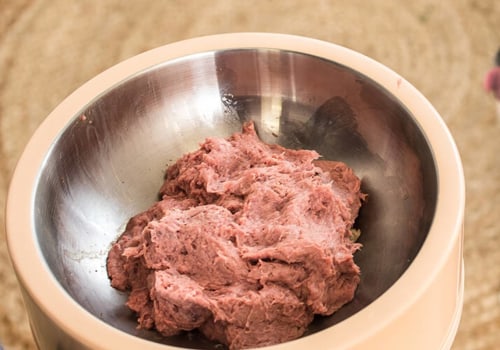
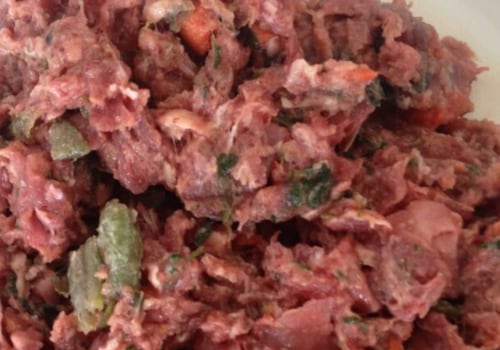
In recent years, the concept of raw dog food has gained significant traction among pet owners seeking to provide their furry companions with a more natural and wholesome diet. This approach to canine nutrition emphasizes feeding dogs uncooked, unprocessed foods that are closer to what their ancestors would have consumed in the wild. Raw dog food typically includes a variety of ingredients such as raw meats, bones, fruits, and vegetables, all aimed at mimicking a dog's natural diet. As more pet owners become aware of the potential benefits of this feeding method, it is essential to understand what raw dog food entails and how it can impact the health and well-being of puppies.The appeal of raw dog food lies in its promise of improved health outcomes for pets.
Advocates argue that a raw diet can lead to better digestion, healthier skin and coat, increased energy levels, and even enhanced dental health due to the natural chewing action required when consuming raw bones. Additionally, proponents believe that feeding puppies a raw diet can support their growth and development by providing essential nutrients in their most bioavailable form. However, while many pet owners report positive changes in their dogs after switching to a raw diet, it is crucial to approach this feeding method with caution and informed decision-making.As we delve deeper into the world of raw dog food, we will explore the specific nutritional needs of puppies and how a raw diet can meet those needs. It is important to consider both the potential benefits and risks associated with feeding puppies raw food.
While some studies suggest that a raw diet may enhance immune function and overall vitality, there are also concerns regarding the safety of raw ingredients and the possibility of nutritional imbalances if not properly managed. Understanding these factors will help pet owners make educated choices about their puppy's diet.
Nutritional Needs of Puppies
Understanding the nutritional needs of puppies is essential for any pet owner, especially those considering a raw dog food diet. Puppies are in a critical growth phase, requiring a balanced intake of nutrients to support their rapid development. The primary components of a puppy's diet include proteins, fats, vitamins, and minerals.Proteins
are the building blocks of your puppy's body.
They are crucial for growth, tissue repair, and overall health. Puppies require a higher protein intake than adult dogs, typically around 22-32% of their diet. High-quality protein sources such as chicken, beef, and fish are excellent choices for raw feeding. These proteins not only provide essential amino acids but also contribute to a shiny coat and healthy skin.
Fats
are another vital component of a puppy's diet.
They provide energy and help in the absorption of fat-soluble vitamins (A, D, E, and K). Healthy fats should make up about 8-20% of a puppy's diet. Sources like fish oil and chicken fat can enhance the flavor of raw meals while providing essential fatty acids that promote brain development and overall vitality.
Vitamins
play a significant role in maintaining your puppy's immune system and metabolic functions. A well-rounded raw diet should include a variety of fruits and vegetables to ensure your puppy receives adequate vitamins.
For instance, carrots are rich in beta-carotene (a precursor to vitamin A), while leafy greens provide essential vitamins C and K.
Minerals
, including calcium and phosphorus, are crucial for bone development. Puppies need a balanced ratio of these minerals to support their growing skeletons. Raw meaty bones can be an excellent source of calcium, while organ meats provide vital nutrients like iron and zinc.In summary, when considering a raw food diet for your puppy, it is imperative to ensure that it meets their specific dietary needs. A balanced approach that includes high-quality proteins, healthy fats, essential vitamins, and minerals will help your puppy thrive during this critical stage of life.
Benefits of Feeding Raw Food to Puppies
Feeding your puppy a raw food diet can offer several potential benefits that contribute to their overall health and well-being.While the topic of raw dog food is often debated, many pet owners have reported positive changes in their puppies after transitioning to this type of diet.
Improved Coat Condition
One of the most noticeable benefits of a raw diet is the improvement in coat condition. Puppies fed a balanced raw diet often exhibit a shinier, healthier coat. This can be attributed to the higher fat content found in raw meats and the inclusion of essential fatty acids, which are crucial for skin health. Ingredients like fish oil or flaxseed oil can further enhance coat quality, making it softer and more lustrous.
Better Digestion
Another significant advantage of raw dog food is improved digestion.
Many puppies experience fewer digestive issues, such as gas or bloating, when consuming a raw diet. This is largely due to the absence of fillers and artificial additives commonly found in commercial kibble. Raw diets are typically easier for dogs to digest, allowing for better nutrient absorption. Additionally, the natural enzymes present in raw foods can aid in breaking down proteins and fats more efficiently.
Enhanced Immune Function
A raw food diet may also bolster your puppy's immune system.
The natural nutrients found in fresh meats, bones, and vegetables can provide essential vitamins and minerals that support immune health. For instance, organ meats are rich in vitamins A and B, which play vital roles in maintaining a robust immune response. Furthermore, some studies suggest that exposure to a variety of natural microbes through raw food can help strengthen a puppy's immune system over time.
Increased Energy Levels
Puppies on a raw diet often exhibit higher energy levels and improved stamina. This can be particularly beneficial for active breeds or those that require regular exercise.
The high protein content in raw foods provides the necessary fuel for growth and activity, allowing your puppy to thrive during playtime and training sessions.
Weight Management
Raw diets can also assist in maintaining a healthy weight for your puppy. Since these diets are typically lower in carbohydrates compared to traditional kibble, they can help prevent obesity—a common issue among pets today. By providing a balanced mix of proteins, fats, and vegetables, you can ensure your puppy receives the right nutrients without unnecessary calories.While transitioning to a raw food diet may require some adjustments and careful planning, the potential benefits for your puppy's health are worth considering. Always consult with your veterinarian before making significant changes to your puppy's diet to ensure it meets their specific nutritional needs.
Risks and Concerns of Raw Dog Food Diets
Feeding puppies a raw dog food diet can be appealing to many pet owners, but it is essential to understand the potential risks and concerns associated with this feeding method.One of the primary concerns is the risk of bacterial contamination. Raw meat can harbor harmful bacteria such as Salmonella, Escherichia coli, and Campylobacter, which can pose serious health risks not only to your puppy but also to humans in the household. Puppies, with their developing immune systems, are particularly vulnerable to these pathogens.To mitigate these risks, it is crucial to practice safe handling techniques when preparing and serving raw food. This includes:
- Washing hands thoroughly before and after handling raw food.
- Using separate utensils and cutting boards for raw meat to avoid cross-contamination.
- Storing raw food at appropriate temperatures to prevent bacterial growth.
- Cleaning surfaces and bowls that come into contact with raw food immediately after use.
While proponents of raw feeding argue that it provides a more natural diet for dogs, it can be challenging to ensure that all essential nutrients are included in the right proportions. Puppies have specific dietary needs for growth and development, including adequate levels of protein, fat, vitamins, and minerals. A poorly balanced raw diet can lead to deficiencies or excesses that may affect your puppy's health in the long run.Veterinary guidance is invaluable when considering a raw diet for your puppy. A veterinarian or a veterinary nutritionist can help you formulate a balanced meal plan that meets your puppy's nutritional requirements while minimizing health risks.
They can also provide insights into safe brands of commercial raw dog food that adhere to strict safety standards.In conclusion, while there are potential benefits to feeding puppies a raw dog food diet, it is essential to weigh these against the risks. By understanding the dangers of bacterial contamination and nutritional imbalances, and by following safe handling practices and seeking professional advice, you can make an informed decision about whether a raw diet is suitable for your puppy.
How to Transition Your Puppy to Raw Food
Transitioning your puppy to a raw food diet can be a rewarding experience, but it requires careful planning and attention to detail. Here’s a step-by-step guide to help you make the switch smoothly and safely.1.Start Gradually
Begin by introducing raw food slowly into your puppy's diet. A good rule of thumb is to start with about 20% raw food mixed with 80% of their current diet.This gradual introduction helps your puppy's digestive system adjust to the new food.
2.Monitor Your Puppy’s Health
As you transition, keep a close eye on your puppy's health and behavior. Look for signs of digestive upset, such as diarrhea or vomiting, which may indicate that the new diet is not agreeing with them. If these symptoms occur, consider slowing down the transition process.3.Adjust Feeding Practices
Feeding guidelines for puppies on a raw diet can differ from traditional kibble. Puppies typically require more frequent meals due to their growing bodies.Aim for three to four meals a day during the transition period, gradually reducing to two meals as they mature.
4.Choose Appropriate Raw Foods
Select high-quality raw ingredients that are suitable for puppies. This includes:- Muscle meat: Chicken, beef, or lamb are excellent choices.
- Organ meats: Liver and kidney provide essential nutrients.
- Bones: Raw meaty bones can help with dental health and provide calcium.
- Vegetables: Some puppies benefit from small amounts of pureed vegetables for added fiber.
5.Be Patient
The transition to a raw dog food diet can take time, so be patient with your puppy. It may take several weeks for them to fully adapt to the new food. If your puppy seems hesitant or refuses to eat, try different protein sources or consult with a veterinarian for advice.By following these steps and being attentive to your puppy's needs, you can successfully transition them to a raw food diet that supports their growth and health.Choosing the Right Raw Food for Your Puppy
When it comes to selecting the best raw dog food for your puppy, there are several factors to consider to ensure that you are providing a balanced and nutritious diet.Puppies have unique dietary needs that differ from adult dogs, and understanding these requirements is crucial for their growth and development.
Commercial Raw Dog Food Options
- Complete Raw Diets: Many brands offer complete raw diets specifically formulated for puppies. These products typically include a mix of muscle meat, organ meat, and bones, ensuring a well-rounded nutritional profile. Brands like Stella & Chewy's, Primal Pet Foods, and Big Country Raw are popular choices among pet owners.
- Freeze-Dried Raw Food: Freeze-dried options provide convenience without sacrificing nutrition. They can be rehydrated with water and are easy to store.
This option is great for travel or busy schedules.
- Raw Food Subscription Services: Some companies offer subscription services that deliver fresh raw food directly to your door. This ensures you always have high-quality food on hand without the hassle of shopping.
Homemade Raw Dog Food Recipes
If you prefer to prepare your puppy's meals at home, creating homemade raw dog food can be rewarding. However, it’s essential to ensure that the recipes are balanced. Here are some key components to include:
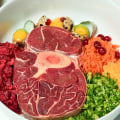
- Protein Sources: Use high-quality protein sources such as chicken, beef, turkey, or fish.
Aim for a variety of meats to provide different nutrients.
- Organ Meats: Incorporate organ meats like liver or kidney, which are rich in vitamins and minerals essential for your puppy's health.
- Bones: Include raw meaty bones for calcium and phosphorus. Always choose bones that are appropriate for your puppy's size and chewing ability.
- Vegetables and Fruits: Add small amounts of vegetables like carrots or spinach and fruits like blueberries for added fiber and antioxidants.
Key Considerations
When choosing between commercial and homemade options, consider your puppy's specific needs, your budget, and your ability to prepare balanced meals. Consulting with a veterinarian or a pet nutritionist can provide valuable insights tailored to your puppy's health requirements.The right choice of raw dog food can significantly impact your puppy's growth, energy levels, and overall health. Whether you opt for commercial products or homemade recipes, ensuring a balanced diet is paramount for your furry friend’s well-being.
Common Myths About Raw Dog Food Debunked
When it comes to feeding puppies, the topic of raw dog food often stirs up a whirlwind of opinions and misconceptions.Many pet owners are hesitant to embrace a raw diet for their furry friends due to prevalent myths that can cloud judgment. Here, we aim to debunk some of the most common myths surrounding raw dog food, providing clarity and factual information to help you make informed decisions.
Myth 1: Raw Dog Food is Dangerous Due to Bacteria
One of the most widespread fears is that raw dog food is teeming with harmful bacteria that can jeopardize a puppy's health. While it is true that raw meat can harbor bacteria such as Salmonella or E. coli, it’s essential to recognize that all pet foods, including commercial kibble, can also contain pathogens.
Proper handling and hygiene practices, such as washing hands and sanitizing surfaces after preparing raw meals, can significantly mitigate these risks.
Myth 2: Puppies Cannot Digest Raw Food
Another common misconception is that puppies lack the ability to digest raw food effectively. In reality, dogs are biologically equipped to process raw meat and bones. Their digestive systems are designed to handle a variety of foods, including those found in a natural diet. Introducing raw food gradually can help puppies adapt without gastrointestinal distress.
Myth 3: Raw Diets Lead to Nutritional Deficiencies
Some pet owners worry that a raw diet may not provide all the necessary nutrients for growing puppies.
However, when properly balanced, a raw diet can meet all nutritional requirements. It’s crucial to include a variety of protein sources, organ meats, and appropriate supplements to ensure a well-rounded diet. Consulting with a veterinarian or a pet nutritionist can help in formulating a balanced raw diet tailored for your puppy.
Myth 4: Raw Feeding is Too Complicated
Many believe that transitioning to a raw diet is overly complicated and time-consuming. While it does require some planning and knowledge about nutritional needs, numerous resources and pre-packaged options are available today.
Brands like Big Country Raw offer complete raw meals that simplify the process for pet owners.
Myth 5: All Dogs Thrive on Raw Food
While many dogs do thrive on a raw diet, it’s important to note that not every dog will respond positively. Individual dietary needs vary based on factors such as age, breed, and health conditions. Monitoring your puppy's health and consulting with a veterinarian can help determine if a raw diet is suitable for them.By addressing these myths head-on, pet owners can better understand the potential benefits and challenges of feeding their puppies raw dog food. Making informed choices based on facts rather than fears will ultimately lead to healthier and happier pets.
Consulting with Your Veterinarian
Before embarking on a raw food diet for your puppy, it is crucial to consult with your veterinarian.This step is essential for ensuring that your puppy's unique health needs are met and that the diet you choose is appropriate for their age, breed, and overall health condition.
Veterinarian Expertise
Veterinarians possess extensive knowledge about pet nutrition and can provide tailored advice based on your puppy's specific requirements. They can help you understand the potential benefits and risks associated with a raw diet, as well as guide you in selecting the right ingredients to ensure a balanced nutritional profile. This is particularly important for puppies, as their growing bodies require specific nutrients to support healthy development.
Assessing Health Conditions
If your puppy has any pre-existing health conditions or dietary restrictions, your veterinarian can help you navigate these challenges. For instance, some puppies may have sensitivities to certain proteins or ingredients commonly found in raw diets.
A veterinarian can recommend alternatives or modifications to the diet that will still meet your puppy's nutritional needs without exacerbating any health issues.
Monitoring Growth and Development
Regular check-ups with your veterinarian are also vital when transitioning to a raw food diet. Your vet can monitor your puppy's growth and development, ensuring they are gaining weight appropriately and receiving all necessary nutrients. This ongoing assessment allows for adjustments to the diet as needed, helping to prevent any deficiencies or imbalances that could arise from an improperly managed raw feeding regimen.
Professional Guidance on Raw Feeding
In addition to providing dietary recommendations, veterinarians can offer practical tips on how to safely handle and prepare raw food. They can educate you about the importance of hygiene in preventing bacterial contamination, which is a common concern among pet owners considering a raw diet.
Understanding safe food handling practices will not only protect your puppy but also safeguard your family from potential health risks.Ultimately, consulting with your veterinarian before starting a raw food diet for your puppy is an essential step in promoting their long-term health and well-being. By leveraging their expertise, you can make informed decisions that align with your puppy's individual needs and lifestyle.
Conclusion: Is Raw Dog Food Right for Your Puppy?
As you consider whether raw dog food is the right choice for your puppy, it’s essential to reflect on the various factors that influence this decision. The raw diet has gained popularity among pet owners who believe it can lead to improved health outcomes, including a shinier coat, better digestion, and increased energy levels. However, it’s crucial to approach this feeding method with a balanced perspective.First and foremost, understanding your puppy's unique needs is vital.Puppies are in a critical growth phase, requiring a diet rich in essential nutrients. While some proponents of raw feeding argue that it can provide these nutrients in a more bioavailable form, others caution against the potential risks associated with raw diets, such as bacterial contamination and nutritional imbalances.Before making any changes to your puppy's diet, consider consulting with a veterinarian or a pet nutritionist. They can help you assess your puppy's specific health requirements and guide you in making informed decisions. If you choose to explore raw feeding, start gradually and monitor your puppy's response closely.
Look for signs of improved health, such as increased vitality and a healthy coat, but also be vigilant for any adverse reactions.Additionally, it’s important to weigh the convenience and practicality of raw feeding against your lifestyle. Preparing raw meals can be time-consuming and may require additional effort in terms of sourcing high-quality ingredients. For some pet owners, the benefits of commercial cooked diets may outweigh the challenges associated with raw feeding.Ultimately, the decision to feed your puppy a raw diet should be based on careful consideration of both the potential benefits and risks. By prioritizing your puppy's health and well-being, you can make an informed choice that aligns with their individual needs and your lifestyle.