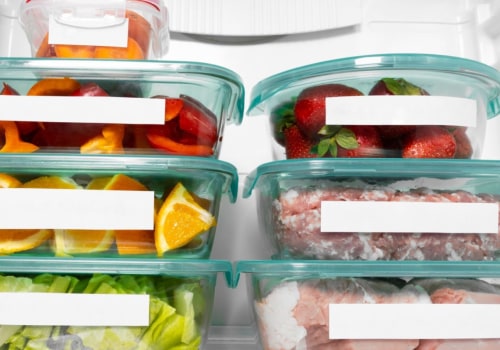
In recent years, the concept of raw dog food has gained significant traction among pet owners who are increasingly concerned about the quality and nutritional value of their dogs' diets. This approach to feeding dogs is rooted in the belief that a diet mimicking what their ancestors, such as wolves, would have consumed in the wild can lead to better health outcomes. Raw dog food typically consists of uncooked meat, bones, fruits, and vegetables, providing a natural source of essential nutrients that many commercial dog foods may lack.The benefits of a raw diet for dogs are numerous and compelling. Proponents argue that raw feeding can lead to improved digestion, healthier skin and coat, increased energy levels, and even better dental health due to the natural chewing action required when consuming raw bones.
Additionally, many pet owners report that their dogs experience fewer allergies and gastrointestinal issues when switched to a raw diet. This shift towards more natural feeding practices reflects a broader trend in pet care, where owners are seeking out options that prioritize whole, unprocessed ingredients.However, while the appeal of raw dog food is undeniable, it is not without its challenges. Preparing a balanced raw diet requires careful planning and knowledge to ensure that all nutritional needs are met. Furthermore, concerns about food safety and the risk of bacterial contamination can deter some pet owners from fully committing to this feeding method.
As a result, many are left searching for alternatives that offer similar benefits without the complexities associated with raw feeding.This exploration into alternatives to raw dog food is essential for those who want to provide their pets with high-quality nutrition while navigating the potential pitfalls of raw diets. By understanding the core principles behind raw feeding and its advantages, pet owners can make informed decisions about how best to nourish their furry companions.
Why Consider Alternatives to Raw Dog Food?
While many dog owners are enthusiastic about the benefits of raw dog food, there are several compelling reasons why some may choose to explore alternatives. Understanding these reasons can help pet parents make informed decisions that best suit their dogs' health and lifestyle.Health Risks Associated with Raw Dog Food
- Pathogen Exposure: One of the primary concerns with raw dog food is the potential for contamination with harmful bacteria such as Salmonella and E. coli.
These pathogens can pose serious health risks not only to dogs but also to humans, especially in households with children or immunocompromised individuals.
- Nutritional Imbalance: Formulating a balanced raw diet requires careful planning to ensure that dogs receive all necessary nutrients. Without proper knowledge, owners may inadvertently create a diet that lacks essential vitamins and minerals, leading to long-term health issues.
- Digestive Issues: Some dogs may experience gastrointestinal upset when transitioning to a raw diet, including diarrhea or vomiting. This can be particularly concerning for dogs with sensitive stomachs or pre-existing health conditions.
Convenience of Alternative Dog Food Options
For many pet owners, the convenience factor plays a significant role in their choice of dog food. Raw diets often require meticulous preparation, including thawing, portioning, and ensuring safe handling practices to avoid contamination.
In contrast, alternatives like cold-pressed or freeze-dried dog foods offer a more straightforward feeding solution:
- No Thawing Required: Many alternative dog foods can be stored at room temperature and served directly from the package, eliminating the need for thawing and reducing meal prep time.
- Longer Shelf Life: Unlike raw food that must be consumed quickly to prevent spoilage, many commercial dog foods have extended shelf lives, making them more practical for busy households.
- Easy Portion Control: Pre-packaged dog food options often come in convenient serving sizes, allowing for easier portion control and reducing the risk of overfeeding.
Dietary Preferences and Lifestyle Considerations
Some dog owners may also seek alternatives due to personal dietary preferences or lifestyle choices. For instance, those who prioritize sustainability may prefer brands that focus on ethically sourced ingredients or environmentally friendly packaging. Additionally, busy lifestyles may lead owners to opt for ready-to-serve meals that fit seamlessly into their daily routines without compromising their dog's nutrition.In conclusion, while raw dog food has its advocates, various factors such as health risks, convenience, and personal preferences drive many pet owners to consider alternative feeding options. By weighing these considerations carefully, dog owners can choose a diet that aligns with their values while ensuring their furry companions receive optimal nutrition.
Cold Pressed Dog Food: A Convenient Alternative
For dog owners seeking a nutritious yet convenient alternative to raw dog food, cold pressed dog food has emerged as a popular choice.This innovative feeding option combines the benefits of raw nutrition with the ease of preparation and storage, making it an appealing solution for busy pet parents.
What is Cold Pressed Dog Food?
Cold pressed dog food is made using a unique method that involves pressing ingredients at low temperatures. This process helps to retain the natural nutrients, enzymes, and flavors found in fresh ingredients, ensuring that your dog receives a wholesome meal without the need for cooking. Unlike traditional kibble, which is often extruded at high temperatures, cold pressed food maintains the integrity of its ingredients, providing a more nutrient-dense option.
Benefits of Cold Pressed Dog Food
- Nutrient Retention: The low-temperature processing preserves essential vitamins and minerals that can be lost during high-heat cooking methods.
- Digestibility: Many dogs find cold pressed food easier to digest compared to traditional kibble, leading to better nutrient absorption and overall health.
- Convenience: Cold pressed dog food can be stored at room temperature and does not require thawing or cooking, making it ideal for travel or busy lifestyles.
- Variety of Ingredients: These foods often include high-quality proteins, fruits, vegetables, and healthy fats, providing a balanced diet that mimics the natural diet of dogs.
Reputable Brands of Cold Pressed Dog Food
Several brands have gained recognition for their commitment to quality and nutrition in cold pressed dog food. Here are a few notable options:
- Tribal: Known for its fresh ingredients and AAFCO certification, Tribal offers a complete and balanced diet that can be fed exclusively or mixed with raw food.
- Ollie: This brand focuses on fresh ingredients and has received accolades for its high-quality formulations that cater to various dietary needs.
- Nature's Logic: With an emphasis on whole foods and natural ingredients, Nature's Logic provides a range of cold pressed options that are free from synthetic additives.
By choosing high-quality brands, you can ensure your furry friend receives the nutrition they need without the hassle associated with raw feeding.
Freeze-Dried Dog Food: Nutrient-Rich and Easy to Use
For dog owners seeking a convenient yet nutritious alternative to raw dog food, freeze-dried dog food emerges as a top contender. This innovative feeding option retains the essential nutrients found in raw ingredients while offering the ease of storage and preparation that busy pet parents appreciate.One of the primary benefits of freeze-dried dog food is its ability to preserve the nutritional integrity of fresh ingredients. The freeze-drying process removes moisture from the food, which not only extends its shelf life but also locks in vitamins, minerals, and enzymes that are crucial for your dog's health. This means that when you rehydrate the food, it closely resembles its original state, providing your furry friend with a meal that is both wholesome and delicious.Benefits of Freeze-Dried Dog Food
- Nutrient Retention: Freeze-drying helps maintain the nutritional profile of raw ingredients, ensuring your dog receives essential nutrients.
- Convenience: Unlike traditional raw diets that require careful handling and storage, freeze-dried food can be stored at room temperature and is easy to prepare—just add water!
- Portability: Ideal for travel or outdoor adventures, freeze-dried meals are lightweight and easy to pack, making them a great option for on-the-go feeding.
- Variety: Many brands offer a range of flavors and formulations, allowing you to cater to your dog's specific tastes and dietary needs.
- Stella & Chewy's: Known for their high-quality ingredients and variety of flavors, Stella & Chewy's offers freeze-dried raw meals that are both nutritious and palatable.
- Primal Pet Foods: Primal focuses on using organic ingredients and offers a range of freeze-dried options that cater to different dietary preferences.
- Nature's Logic: This brand prides itself on using whole foods without synthetic vitamins or minerals, ensuring a natural diet for your dog.
- Steve's Real Food: With a commitment to raw nutrition, Steve's offers freeze-dried nuggets that are easy to serve and packed with essential nutrients.
Start by mixing small amounts of freeze-dried food with their regular meals, gradually increasing the proportion over several days. Always ensure fresh water is available when serving freeze-dried meals, as hydration is key to your dog's health.In conclusion, freeze-dried dog food presents an excellent alternative for those who want the benefits of raw nutrition without the hassle. With its nutrient-rich profile and convenience, it’s an option worth considering for any dog owner looking to enhance their pet's diet.
Dehydrated Dog Food: A Balanced Option
Dehydrated dog food is an increasingly popular alternative to raw diets, offering a convenient and nutritious option for pet owners who want to provide their dogs with high-quality meals without the complexities of raw feeding. This type of dog food is made by removing moisture from fresh ingredients, which helps to preserve their nutritional value while extending shelf life.Benefits of Dehydrated Dog Food
- Nutrient Retention: The dehydration process retains essential nutrients, vitamins, and minerals found in the ingredients.
This means your dog can still enjoy a balanced diet rich in protein, healthy fats, and carbohydrates.
- Convenience: Dehydrated dog food is lightweight and easy to store. It requires no refrigeration, making it ideal for travel or for pet owners with limited storage space.
- Easy Preparation: Preparing dehydrated dog food is straightforward. Simply add water to the dry food, let it rehydrate for a few minutes, and it’s ready to serve. This quick preparation time makes it a practical choice for busy pet owners.
- Variety of Flavors: Many brands offer a range of flavors and recipes, allowing you to choose options that cater to your dog's taste preferences and dietary needs.
How to Prepare Dehydrated Dog Food
The preparation of dehydrated dog food is simple and user-friendly.
Here’s a step-by-step guide:
- Measure the Food: Start by measuring the appropriate amount of dehydrated food based on your dog's weight and dietary requirements.
- Add Water: Pour the recommended amount of warm water over the dehydrated food. The amount of water will vary depending on the brand, so always check the packaging for specific instructions.
- Let it Sit: Allow the mixture to sit for about 10-15 minutes. This time allows the food to absorb the water and rehydrate fully.
- Serve Fresh: Once rehydrated, serve the food immediately to ensure freshness. Any leftovers should be stored in an airtight container in the refrigerator and used within a few days.
Recommended Brands
Several reputable brands offer high-quality dehydrated dog food options:
- The Honest Kitchen: Known for its human-grade ingredients, The Honest Kitchen provides a variety of flavors that are both nutritious and palatable.
- Stella & Chewy's: This brand focuses on raw-inspired recipes that are freeze-dried or dehydrated, ensuring your dog gets a taste of raw nutrition without the hassle.
- Sojos: Sojos offers a range of dehydrated dog foods made from whole ingredients, allowing you to customize your dog's meals easily.
By choosing high-quality brands and following simple preparation steps, you can provide your furry friend with balanced meals that support their health and well-being.
Fresh Dog Food Delivery Services: Tailored Nutrition at Your Doorstep
In recent years, fresh dog food delivery services have gained immense popularity among pet owners seeking to provide their furry companions with the best nutrition possible. These services offer a convenient way to receive fresh dog food tailored specifically to meet the dietary needs of individual dogs, ensuring they receive balanced meals without the hassle of preparation.One of the primary benefits of fresh dog food is its nutritional value. Unlike traditional kibble, which often contains preservatives and fillers, fresh dog food is made from high-quality ingredients that are minimally processed. This means that essential nutrients, vitamins, and minerals are preserved, providing dogs with a diet that closely resembles what they would eat in the wild.Fresh food can lead to improved digestion, healthier skin and coat, increased energy levels, and even better dental health.Moreover, many fresh dog food delivery services allow pet owners to customize their dog's meals based on specific health needs or dietary restrictions. For instance, if a dog has allergies or sensitivities to certain ingredients, owners can select recipes that exclude those components. This level of personalization ensures that each dog receives a diet that is not only nutritious but also safe and enjoyable.Some of the top fresh dog food brands include:
- Ollie: Known for its human-grade ingredients and customizable meal plans, Ollie offers a variety of recipes tailored to different breeds and sizes.
- PetPlate: This service provides freshly cooked meals designed by veterinarians and delivered right to your door, making it easy for pet owners to maintain their dog's health.
- Nom Nom: With a focus on fresh ingredients and balanced nutrition, Nom Nom offers meals that are pre-portioned for convenience.
- Freshpet: Available in many grocery stores, Freshpet provides refrigerated meals made from real meat and vegetables without artificial preservatives.
As more pet owners recognize the benefits of fresh diets, the demand for these convenient solutions will likely continue to grow.
Hybrid Diets: Combining Raw and Kibble for Optimal Nutrition
As pet owners increasingly seek the best nutrition for their furry companions, the concept of a hybrid diet has gained traction. This approach combines the benefits of both raw and kibble foods, allowing dogs to enjoy a diverse and balanced diet that meets their nutritional needs.A hybrid diet typically consists of a mix of high-quality kibble and raw food components, such as freeze-dried raw bites or fresh raw meat. This combination can provide a range of advantages:- Nutritional Balance: By incorporating both raw and kibble, pet owners can ensure their dogs receive a well-rounded diet. Kibble often contains essential vitamins and minerals that may be lacking in a strictly raw diet, while raw food provides natural enzymes and nutrients that support overall health.
- Convenience: One of the primary benefits of a hybrid diet is convenience.
Kibble is easy to store and serve, making it an ideal option for busy pet owners. Meanwhile, adding raw elements can enhance the flavor and nutritional profile of meals without requiring extensive preparation.
- Digestive Health: Mixing raw food with kibble can promote better digestion. The moisture content in raw food can help hydrate the kibble, making it easier for dogs to digest. Additionally, the variety in texture can stimulate a dog’s appetite and encourage healthy eating habits.
- Cost-Effectiveness: Feeding exclusively raw can be expensive, but a hybrid approach allows pet owners to manage costs while still providing high-quality nutrition.
By using kibble as a base and supplementing with raw food, you can create a budget-friendly feeding plan.
Choosing the Right Alternative for Your Dog's Needs
When it comes to selecting the best alternative to raw dog food, understanding your dog's unique needs is paramount.Each dog is different, and their dietary requirements can vary based on factors such as age, breed, health conditions, and activity level. Here are some essential considerations to help you make an informed decision:
- Age and Life Stage: Puppies, adults, and senior dogs have different nutritional needs. Puppies require higher protein and fat levels for growth, while senior dogs may benefit from lower calories and added joint support.
- Health Conditions: If your dog has specific health issues such as allergies, diabetes, or kidney disease, it's crucial to choose a diet that addresses these conditions. Consult with your veterinarian to identify the best options.
- Activity Level: Active dogs may need more calories and protein compared to less active or sedentary dogs.
Consider your dog's daily routine when selecting food.
- Ingredient Quality: Look for high-quality ingredients without fillers or artificial additives. Foods that list whole meats, vegetables, and grains as primary ingredients are often better choices.
- Palatability: Your dog’s preferences matter! Some dogs may be picky eaters, so it’s essential to find a food that they enjoy. You might need to try a few different brands or flavors before finding the right fit.
These alternatives can be particularly useful for busy pet owners who want to provide their dogs with high-quality nutrition without compromising on convenience.Ultimately, the best alternative to raw dog food will depend on a combination of these factors. By taking the time to assess your dog's individual needs and preferences, you can select a diet that supports their health and well-being while fitting seamlessly into your lifestyle.
Frequently Asked Questions About Raw Dog Food Alternatives
As pet owners explore alternatives to raw dog food, several common questions arise regarding the nutritional adequacy, safety, and overall benefits of these options. Below are some frequently asked questions that can help clarify these concerns.What are the main benefits of alternatives to raw dog food?
Alternatives to raw dog food, such as cold-pressed or freeze-dried options, offer several advantages:- Convenience: Many alternatives are easier to store and serve than raw food, which often requires thawing and careful handling.
- Nutritional Balance: High-quality alternatives are formulated to meet AAFCO standards, ensuring they provide a complete and balanced diet for dogs.
- Digestibility: Some dogs may find it easier to digest cooked or processed foods compared to raw diets, reducing gastrointestinal issues.
- Variety: Alternatives often come in various flavors and formulations, allowing pet owners to cater to their dog's preferences and dietary needs.
Are there any risks associated with feeding my dog alternatives to raw food?
While many alternatives are safe and nutritious, there are some considerations:- Ingredient Quality: Always check the ingredient list. Some products may contain fillers or low-quality ingredients that do not provide optimal nutrition.
- Allergies and Sensitivities: Just like with raw food, some dogs may have allergies or sensitivities to certain ingredients found in alternative diets.
Monitor your dog for any adverse reactions when introducing new foods.
- Nutritional Gaps: Ensure that the alternative you choose meets your dog's specific health needs. Consulting with a veterinarian can help identify any potential gaps in nutrition.
Can I mix raw food with alternatives?
Yes, many pet owners successfully implement a hybrid diet by mixing raw food with high-quality alternatives. This approach allows dogs to enjoy the benefits of both diets while providing flexibility in meal preparation. However, it’s essential to introduce changes gradually and monitor your dog's response to the new feeding regimen.In conclusion, understanding the various aspects of raw dog food alternatives can empower pet owners to make informed decisions about their dog's nutrition.By addressing common concerns and questions, you can ensure that your furry friend receives a balanced diet that supports their health and well-being.
Conclusion: Making Informed Choices for Your Dog's Diet
As we conclude our exploration of the best alternatives to raw dog food, it is essential to emphasize the significance of making informed dietary choices for your canine companion. The journey towards finding the right nutrition for your dog can be overwhelming, given the myriad of options available in the market today. However, understanding the benefits and drawbacks of each type of food can empower you to make decisions that align with your dog's health needs and lifestyle.Throughout this article, we have discussed various alternatives to raw dog food, including cold-pressed options, freeze-dried formulas, and hybrid diets that combine the best of both worlds. Each alternative offers unique advantages:- Cold-Pressed Dog Food: This option retains nutrients by cooking ingredients at low temperatures, ensuring that your dog receives a wholesome meal without the hassle of thawing raw food.
- Freeze-Dried Raw Food: These products provide the nutritional benefits of raw diets while offering convenience and longer shelf life, making them ideal for busy pet owners.
- Hybrid Diets: By mixing kibble with freeze-dried raw bites, you can introduce your dog to raw nutrition gradually, allowing for a smoother transition and potentially better acceptance.
Consulting with a veterinarian or a pet nutritionist can provide valuable insights tailored to your dog's unique needs.Moreover, always prioritize high-quality ingredients. Look for brands that emphasize natural components without fillers or artificial additives. This not only supports your dog's overall health but also contributes to their vitality and longevity.In summary, while raw dog food has its merits, there are numerous alternatives that can provide balanced nutrition without the complexities associated with raw feeding. By staying informed and proactive about your dog's dietary choices, you can ensure they lead a healthy and happy life.