In recent years, the trend of feeding dogs a raw dog food diet has gained significant traction among pet owners. Advocates of this approach often tout its numerous health benefits, including improved digestion, enhanced energy levels, and a shinier coat. However, one of the most compelling reasons many pet parents consider switching to a raw diet is the belief that it may help alleviate food allergies in their furry companions. With the increasing prevalence of dog food allergies, understanding the relationship between raw diets and hypoallergenic properties is crucial for making informed decisions about your pet's nutrition.Food allergies in dogs can manifest in various ways, including skin irritations, gastrointestinal issues, and chronic ear infections.
These symptoms can be distressing for both pets and their owners, leading many to seek out alternatives to traditional commercial dog foods.
Hypoallergenic dog food
options are often recommended by veterinarians as they typically contain limited ingredients and novel protein sources that are less likely to trigger allergic reactions. However, the question remains: can a raw dog food diet be considered truly hypoallergenic?While some proponents argue that raw diets, which consist of fresh meats, fruits, and vegetables, are less likely to contain common allergens found in processed foods, it is essential to recognize that not all raw ingredients are created equal. Dogs can still develop allergies to specific proteins or other components present in raw diets.Therefore, understanding your dog's unique dietary needs and potential allergens is vital when considering a transition to raw feeding.This exploration into the world of raw dog food and its implications for allergies sets the stage for a deeper examination of whether this dietary approach can genuinely provide relief for dogs suffering from food sensitivities. By delving into the science behind raw feeding and its impact on canine health, we aim to equip pet owners with the knowledge necessary to make the best choices for their beloved companions.
What is Raw Dog Food?
Raw dog food
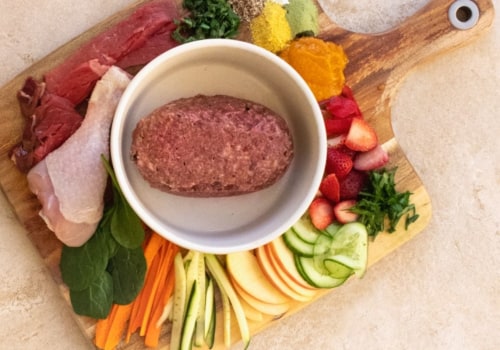
is a dietary approach that emphasizes feeding dogs uncooked, unprocessed ingredients, closely resembling what their ancestors would have consumed in the wild. This type of diet typically includes a variety of raw meats, bones, fruits, and vegetables, aiming to provide a balanced and nutritious meal that aligns with a dog's natural dietary needs.One of the primary benefits of raw dog food is its potential to enhance overall health. Many proponents argue that raw diets can lead to improved coat condition, increased energy levels, and better digestion.
The absence of fillers and artificial additives commonly found in commercial dog foods means that dogs receive more bioavailable nutrients, which are easier for their bodies to absorb and utilize.When considering raw dog food ingredients , it’s essential to focus on quality. A typical raw diet may include:
- Meat: This can be muscle meat from various sources such as beef, chicken, lamb, or fish.
- Organs: Nutrient-dense organs like liver and kidney are crucial for providing essential vitamins and minerals.
- Bone: Raw meaty bones offer calcium and phosphorus while also promoting dental health.
- Fruits and Vegetables: Ingredients like carrots, spinach, and blueberries can provide antioxidants and fiber.
Understanding Dog Food Allergies
Dog food allergies occur when a dog's immune system mistakenly identifies certain ingredients in their diet as harmful.This immune response can lead to a variety of symptoms that can significantly affect a dog's quality of life. Understanding these allergies is crucial for pet owners who want to ensure their furry friends remain healthy and comfortable.
Symptoms of Dog Food Allergies
- Skin Issues: One of the most common signs of food allergies in dogs is skin irritation, which may manifest as itching, redness, or rashes. Dogs may also develop hot spots or experience hair loss due to excessive scratching.
- Gastrointestinal Distress: Allergies can lead to digestive problems such as vomiting, diarrhea, or flatulence. These symptoms may occur shortly after eating or may develop over time.
- Ear Infections: Frequent ear infections can be a sign of food allergies.
Dogs may shake their heads or scratch at their ears due to discomfort.
- Behavioral Changes: Dogs suffering from allergies may exhibit changes in behavior, such as increased irritability or lethargy, due to discomfort and pain.
Common Allergens in Dog Food
Identifying the specific allergens affecting your dog is essential for managing their health. Some of the most common allergens found in commercial dog foods include:
- Beef: Many dogs are allergic to beef, which is often a primary protein source in many dog foods.
- Dairy: Lactose intolerance is common in dogs, and dairy products can trigger allergic reactions.
- Wheat: As a grain, wheat is frequently used in dog foods but can cause adverse reactions in some dogs.
- Chicken: Another common protein source, chicken can also be an allergen for certain dogs.
- Eggs: Some dogs may develop sensitivities to eggs, leading to allergic symptoms.
Are Raw Dog Foods Hypoallergenic?
When considering whether raw dog food is hypoallergenic, it’s essential to understand that the term "hypoallergenic" can be somewhat misleading.While many pet owners turn to raw diets with the hope of alleviating their dog's allergy symptoms, the reality is that not all raw dog foods are created equal, and their hypoallergenic properties can vary significantly.One of the primary reasons for this variability lies in the ingredients used in raw dog food formulations. Raw diets often include a range of protein sources, such as chicken, beef, lamb, or fish, along with fruits and vegetables. Each of these ingredients has the potential to trigger allergic reactions in sensitive dogs. For instance, while some dogs may thrive on a raw diet featuring chicken, others may develop allergies to it.
Therefore, it is crucial for pet owners to identify specific allergens affecting their dogs before transitioning to a raw diet.To effectively manage allergies through diet, many veterinarians recommend a process known as an elimination diet. This involves feeding your dog a limited number of ingredients to pinpoint which ones may be causing adverse reactions. A raw diet can be tailored to exclude common allergens, but it requires careful planning and monitoring. For example:
- Novel Proteins: Introducing proteins that your dog has never consumed before, such as venison or rabbit, can help determine if they are allergic to more common sources.
- Limited Ingredients: Opting for raw foods with fewer ingredients can simplify the identification of allergens.
- Grain-Free Options: Many dogs are sensitive to grains; thus, choosing grain-free raw diets may reduce allergy symptoms.
The effectiveness of a hypoallergenic diet largely depends on the individual dog's sensitivities and health history. Therefore, consulting with a veterinarian before making any significant dietary changes is advisable.In conclusion, while raw dog food can potentially be part of an effective allergy management strategy, it is not inherently hypoallergenic. The key lies in understanding your dog's unique dietary needs and carefully selecting ingredients that promote their health without triggering allergic reactions.
Benefits of a Hypoallergenic Raw Diet
Feeding a hypoallergenic raw diet can offer numerous benefits for dogs suffering from allergies. This approach not only addresses the immediate symptoms of allergies but also promotes overall health and well-being.Here are some key advantages of adopting a hypoallergenic raw diet for your canine companion:
- Reduced Allergic Reactions: One of the primary benefits of a hypoallergenic raw diet is its potential to minimize allergic reactions. By eliminating common allergens found in commercial dog foods, such as grains, artificial additives, and certain proteins, you can help your dog avoid triggers that lead to discomfort and health issues.
- Improved Digestive Health: Raw diets are often easier for dogs to digest compared to processed foods. The natural enzymes and nutrients present in raw ingredients can enhance gut health, leading to better nutrient absorption and a more balanced microbiome. This is particularly beneficial for dogs with sensitive stomachs or digestive disorders.
- Enhanced Nutritional Value: A well-formulated hypoallergenic raw diet provides high-quality protein sources and essential nutrients that support your dog's immune system.
Ingredients like fresh meats, organs, and vegetables deliver bioavailable nutrition that can strengthen your dog's defenses against allergens.
- Weight Management: Many commercial dog foods contain fillers and unnecessary carbohydrates that can contribute to weight gain. A raw diet typically consists of lean proteins and wholesome ingredients, which can help maintain a healthy weight and prevent obesity-related health issues.
- Shinier Coat and Healthier Skin: Dogs on a hypoallergenic raw diet often exhibit improvements in their coat condition and skin health. The omega fatty acids found in raw meats and fish can reduce inflammation and promote a shiny, healthy coat while alleviating skin irritations associated with allergies.
- Increased Energy Levels: A diet rich in natural, unprocessed ingredients can lead to higher energy levels in dogs. This is especially important for active breeds or those recovering from illness, as they require optimal nutrition to support their energy needs.
By focusing on high-quality, natural ingredients tailored to your dog's specific needs, you can create a nourishing diet that supports their well-being and vitality.
Choosing the Right Raw Dog Food for Allergies
When it comes to selecting the right raw dog food for dogs with allergies, careful consideration is essential. The goal is to find a diet that minimizes allergic reactions while providing optimal nutrition. Here are some key factors to consider:- Identify Allergens: Before choosing a raw diet, it’s crucial to identify any specific allergens your dog may have. Common allergens include certain proteins like chicken, beef, and grains.
A veterinarian can help you conduct an elimination diet to pinpoint these allergens.
- Opt for Limited Ingredient Diets: Limited ingredient raw diets are designed to reduce the number of ingredients your dog is exposed to, making it easier to identify and avoid allergens. These diets typically contain a single source of protein and a few select carbohydrates, which can help in managing allergies effectively.
- Choose Novel Proteins: If your dog has known food allergies, consider using novel protein sources such as kangaroo, rabbit, or duck. These proteins are less likely to trigger an allergic reaction since they are not commonly found in standard dog foods.
- Check for Additives: Always read the ingredient list carefully. Avoid raw dog foods that contain fillers, artificial preservatives, or additives that could potentially cause allergic reactions.
Look for products that emphasize whole food ingredients.
- Consult with Your Veterinarian: Before making any significant changes to your dog's diet, consult with your veterinarian. They can provide guidance on the best hypoallergenic raw dog food options tailored to your dog's specific needs.
By focusing on limited ingredient diets and being mindful of potential allergens, you can help ensure your furry friend enjoys a healthier and more comfortable life.
Consulting with Your Veterinarian
Before making any significant changes to your dog's diet, particularly when considering a raw dog food regimen, it is crucial to consult with your veterinarian. This step is essential for ensuring that your pet's nutritional needs are met while also addressing any potential health concerns, especially if your dog has a history of allergies.Veterinarian Advice on Raw Diets
Your veterinarian can provide tailored advice based on your dog's specific health profile. They can help you understand the benefits and risks associated with a raw diet, including how it may impact your dog's allergies. A knowledgeable vet will consider factors such as your dog's age, breed, weight, and any pre-existing health conditions before recommending a suitable diet.
Veterinary Consultation for Dog Allergies
If you suspect that your dog has food allergies, a veterinary consultation is vital.
Your vet may recommend an elimination diet or specific allergy testing to identify the allergens affecting your pet. This process typically involves:
- Elimination Diet: Removing potential allergens from your dog's diet for a set period and then gradually reintroducing them to observe any reactions.
- Allergy Testing: Conducting blood tests or skin tests to pinpoint specific allergens that may be causing adverse reactions.
The Importance of Professional Recommendations
Their expertise will not only help you navigate the complexities of canine nutrition but also ensure that your furry friend remains healthy and happy.
Common Misconceptions About Raw Dog Food and Allergies
When it comes to raw dog food and its potential to alleviate allergies, several misconceptions often cloud the conversation. Understanding these myths is crucial for pet owners who want to make informed dietary choices for their furry companions.Myth 1: Raw Dog Food is Always Hypoallergenic
One of the most prevalent misconceptions is that all raw dog food is inherently hypoallergenic. While a raw diet can be beneficial for some dogs, it does not guarantee that it will be free from allergens. Dogs can be allergic to various proteins, including those found in raw diets.
For instance, a dog allergic to chicken may still react negatively to raw chicken, just as it would with kibble. Therefore, it’s essential to identify specific allergens before assuming that a raw diet will resolve allergy issues.
Myth 2: Grain-Free Equals Hypoallergenic
Another common belief is that grain-free diets are automatically hypoallergenic. While many dogs do have sensitivities to grains like wheat or corn, others may be allergic to proteins found in meat or other ingredients. A grain-free diet may help some dogs, but it’s not a universal solution.
It’s important to consider the entire ingredient list and consult with a veterinarian when making dietary changes.
Myth 3: All Dogs Thrive on Raw Diets
Many pet owners assume that switching to a raw diet will benefit all dogs equally. However, each dog is unique, and their dietary needs can vary significantly based on factors such as age, breed, and health status. Some dogs may thrive on a raw diet, while others may experience digestive issues or allergic reactions. It’s crucial to monitor your dog’s health closely after any dietary transition and consult with a veterinarian if any adverse symptoms arise.
Fact: Allergies Can Be Complex
Understanding dog allergies requires recognizing their complexity.
Allergies can stem from various sources, including environmental factors and food ingredients. A comprehensive approach that includes identifying allergens through testing and observation is often necessary for effective management.In conclusion, while raw dog food can offer numerous health benefits, it is not a one-size-fits-all solution for allergies. By debunking these common myths and focusing on factual information, pet owners can make better decisions regarding their dog's diet and overall well-being.
Conclusion: Making an Informed Decision for Your Dog's Health
In conclusion, navigating the world of dog nutrition, particularly when considering raw dog food, requires careful thought and a thorough understanding of your pet's unique needs. While many pet owners are drawn to the idea of a raw diet due to its perceived health benefits and potential hypoallergenic properties, it is essential to recognize that not all dogs will respond positively to this type of feeding regimen.As discussed, the notion that raw dog food is inherently hypoallergenic is not universally supported by scientific evidence.Allergies in dogs can stem from a variety of sources, including specific proteins or ingredients found in both commercial and raw diets. Therefore, it is crucial for pet owners to identify any allergens that may affect their dogs before making significant dietary changes.Consulting with a veterinarian is a vital step in this process. A professional can help determine if your dog has food allergies and guide you toward appropriate dietary options. This may include recommending hypoallergenic commercial diets or suggesting a carefully formulated raw diet that avoids known allergens.Moreover, when considering raw dog food, it’s important to focus on quality ingredients.
Opting for high-quality proteins and avoiding fillers can enhance your dog's overall health and potentially reduce allergy symptoms. Additionally, keeping track of your dog's reactions to new foods can provide valuable insights into their dietary needs.Ultimately, the goal is to ensure your dog receives the best possible nutrition tailored to their individual health requirements. By making informed decisions based on veterinary advice and your dog's specific needs, you can help improve their quality of life and overall well-being.In summary, while raw dog food may offer benefits for some dogs, it is not a one-size-fits-all solution. Careful consideration, professional guidance, and attention to your dog's unique health profile are essential in making the best dietary choices for your furry friend.